
This book offers a comprehensive and practical guide to the complex field of obstetric anesthesia, designed to support healthcare professionals in providing safe and effective care for both mothers and their babies. Bridging the gap between clinical anesthesia, obstetric medicine, and perinatal care, the text presents a well-structured exploration of current best practices, clinical techniques, and critical considerations involved in anesthesia for childbirth. From foundational principles to advanced techniques, this book serves as both a learning resource and a clinical reference for anesthesiologists, obstetricians, nurse anesthetists, and students. The book begins with an introduction to obstetric anesthesia, setting the stage for understanding the unique challenges associated with providing anesthesia during labor and delivery. It outlines the goals of maternal comfort, fetal safety, and optimized outcomes, while emphasizing the dynamic nature of obstetric care. A detailed review of maternal physiology follows, highlighting how pregnancy alters cardiovascular, respiratory, and gastrointestinal systems, and how these changes affect anesthetic planning and drug metabolism. This is complemented by a focused discussion on fetal physiology, with a strong emphasis on how anesthetic agents cross the placenta and their potential impacts on fetal well-being. Pre-anesthetic evaluation and risk assessment are critical elements in obstetric care, and this book provides a framework for thorough maternal assessment, including identifying risk factors, managing coexisting conditions, and preparing for urgent interventions. The text moves into a deep exploration of the various techniques of obstetric anesthesia, including neuraxial methods such as epidural, spinal, and combined spinal-epidural anesthesia. Each technique is explained in the context of labor pain relief and surgical anesthesia, with attention to dosing, timing, and safety protocols.
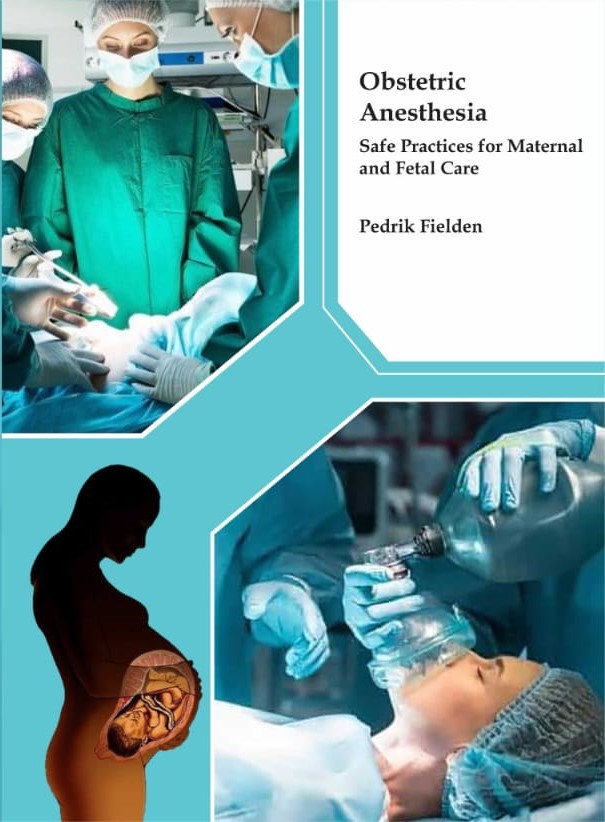
Obstetric Anesthesia: Safe Practices for Maternal and Fetal Care
$244.99
Author Pedrik Fielden
Binding Hardback
ISBN 9798897070053
Language English
Pages 325
Subject Category Anaesthesiology
Year of Publication 2026




Reviews
There are no reviews yet.