
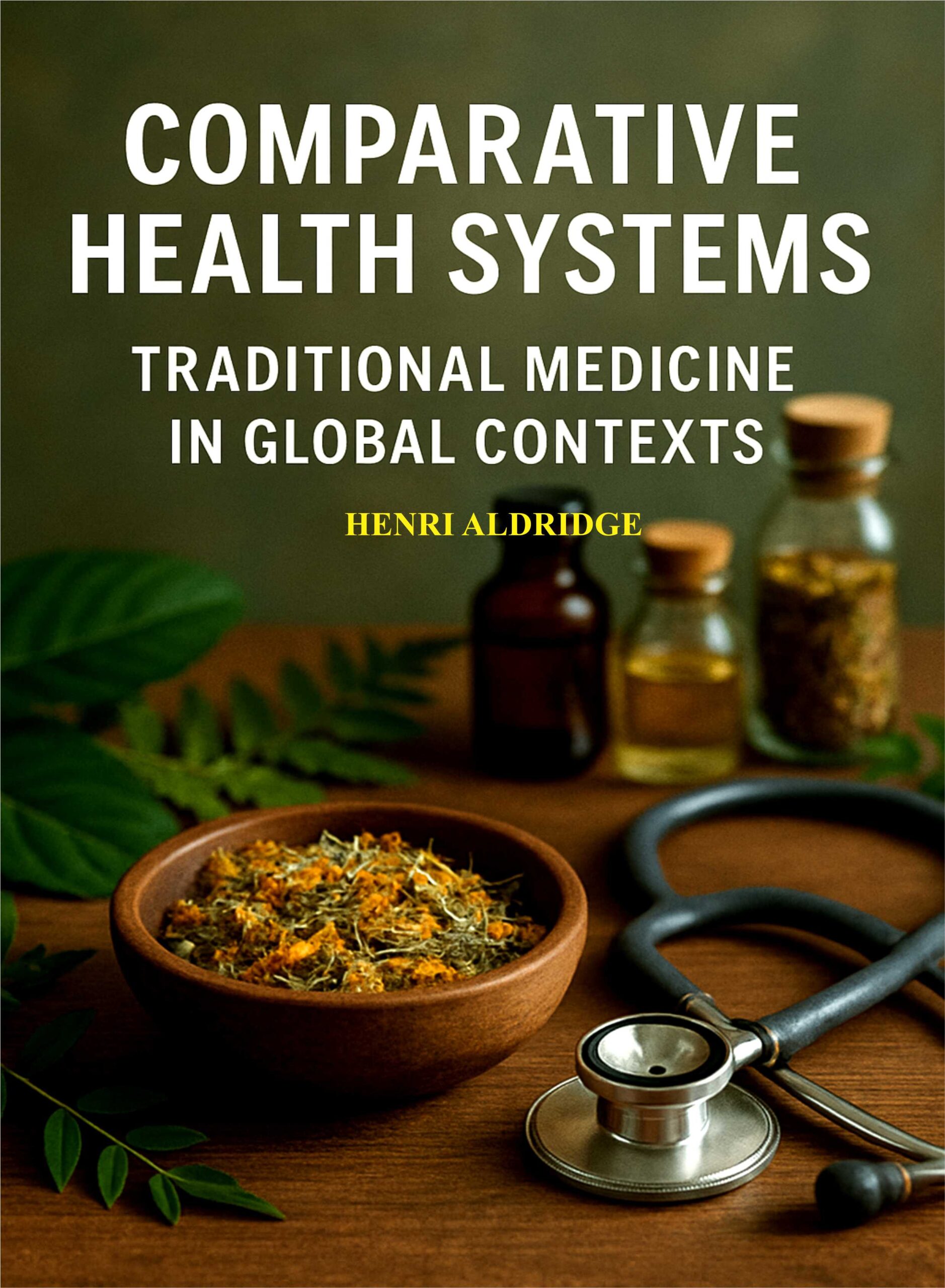
The book Comparative Health Systems: Traditional Medicine in Global Contexts provides a comprehensive exploration of traditional medicine and its role within global healthcare systems. It emphasizes that traditional medicine is more than a collection of remedies, representing a holistic approach to well-being that integrates cultural, social, spiritual, and ecological dimensions of health. The text traces the historical and philosophical foundations of traditional healing, demonstrating how concepts of disease, treatment, and wellness have been shaped by diverse cultural perspectives. By examining these systems in their respective social and environmental contexts, the book highlights the enduring relevance of traditional medicine and its potential contribution to modern health practices.
A substantial portion of the text focuses on traditional medicine in Asia, examining systems such as Traditional Chinese Medicine, Ayurveda, and Korean and Japanese healing practices. These traditions are rooted in holistic philosophies that emphasize balance, energy flow, and the integration of mind, body, and environment. The book explores diagnostic methods, therapeutic techniques, and herbal pharmacopeias, highlighting how these practices have adapted to modern contexts, including urbanization, technological advancement, and integration with biomedical care. It underscores the ongoing preventive and therapeutic benefits of these systems, illustrating their continued importance in contemporary health-seeking behaviors.
The book also provides a detailed analysis of Indigenous healing systems in Africa, which are characterized by their use of medicinal plants, community engagement, and spiritual interventions. African traditional medicine is presented as a resilient framework that addresses both physical and psychosocial health needs, particularly in regions where access to formal healthcare is limited. Similarly, Native American and other Indigenous healing practices in the Americas are explored, highlighting rituals, storytelling, and plant-based therapies that are deeply embedded in cultural and spiritual frameworks. These traditions are framed not only as health interventions but also as expressions of identity, social cohesion, and cultural continuity, emphasizing the inseparable link between health and heritage.




Reviews
There are no reviews yet.