
The Textbook of Biochemistry: Structural and Functional Insights serves as a vital academic resource for those seeking a deep and integrated understanding of life at the molecular level. By linking the structural features of biomolecules with their diverse functions in living systems, the textbook equips learners with the conceptual tools necessary to explore the dynamic world of biochemistry. Its relevance spans from foundational learning to advanced research, preparing students and professionals alike to contribute to scientific discovery and innovation in medicine, biotechnology, and beyond. Textbook of Biochemistry: Structural and Functional Insights is a comprehensive academic resource that provides an in-depth understanding of the molecular foundations of life. Designed for undergraduate and postgraduate students in the biological and health sciences, this book offers a well-balanced combination of theoretical concepts and practical knowledge centered on the structure and function of biomolecules. It explores the chemistry of living organisms by examining how the shape, arrangement, and interaction of molecules underpin key biological processes. The book begins with the basic principles of biochemistry, including the chemical nature of atoms, bonds, and the properties of water, followed by detailed discussions on carbohydrates, proteins, lipids, and nucleic acids. It places a strong emphasis on the structural features of these macromolecules and how their architecture directly influences biological function. Enzymology is given particular importance, highlighting the mechanisms of enzyme action, kinetics, and regulatory pathways. A distinguishing feature of this textbook is its integration of structural biology with functional biochemistry. It draws attention to how advances in molecular imaging techniques such as X-ray crystallography and NMR spectroscopy have deepened our understanding of biochemical reactions at the atomic level. The role of biomolecular structure in energy metabolism, genetic information processing, and cell signalling is thoroughly discussed in a way that connects theory with real-world biological function. The book also addresses modern topics such as molecular genetics, bioinformatics, biotechnology, and clinical biochemistry, making it relevant to emerging fields like personalized medicine and synthetic biology.
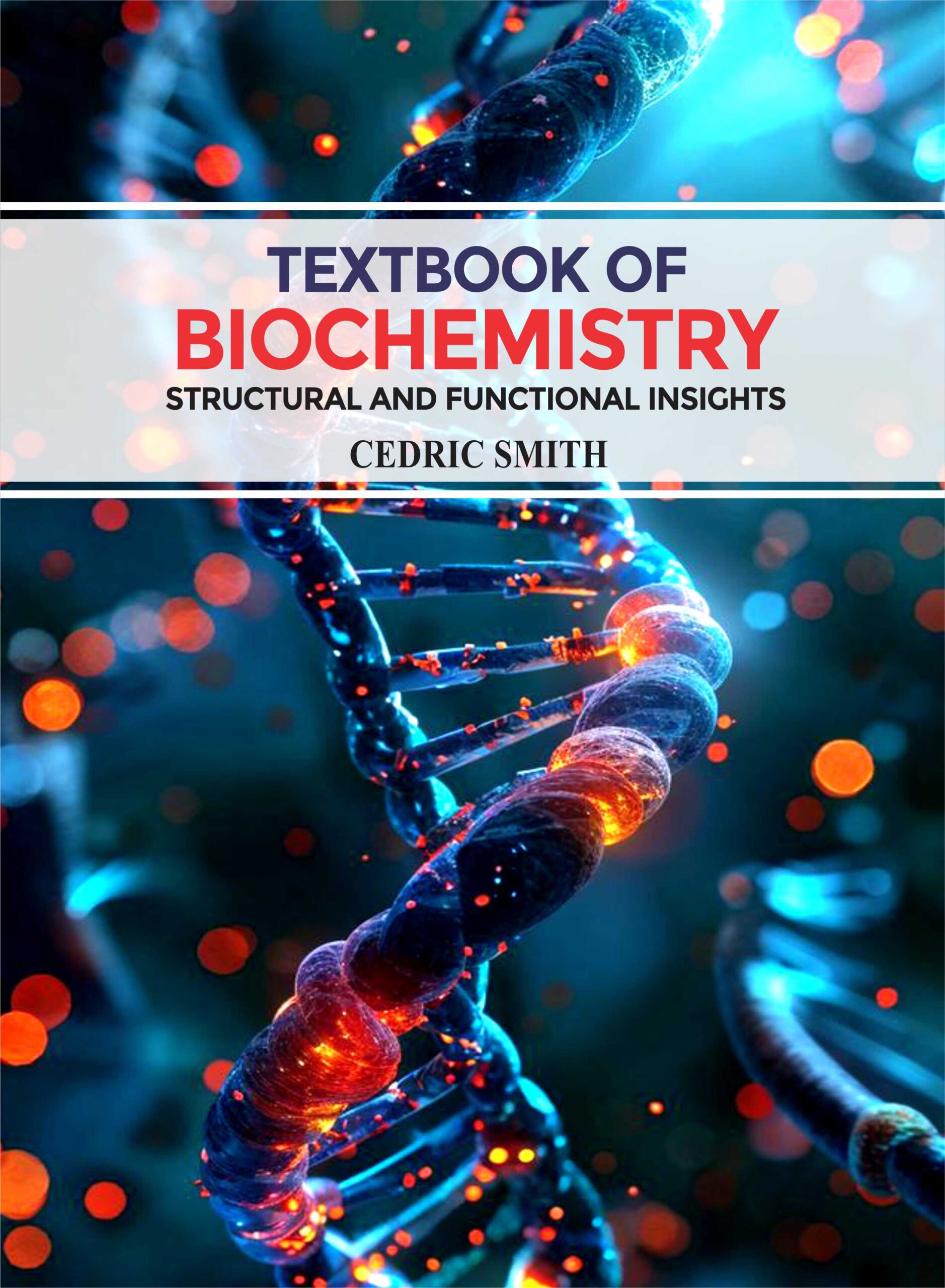
Textbook of Biochemistry : Structural and Functional Insights
$239.39
Author Cedric Smith
Binding Hardback
ISBN 9798897070329
Language English
Pages 323
Subject Category Biochemistry
Year of Publication 2025



Reviews
There are no reviews yet.