
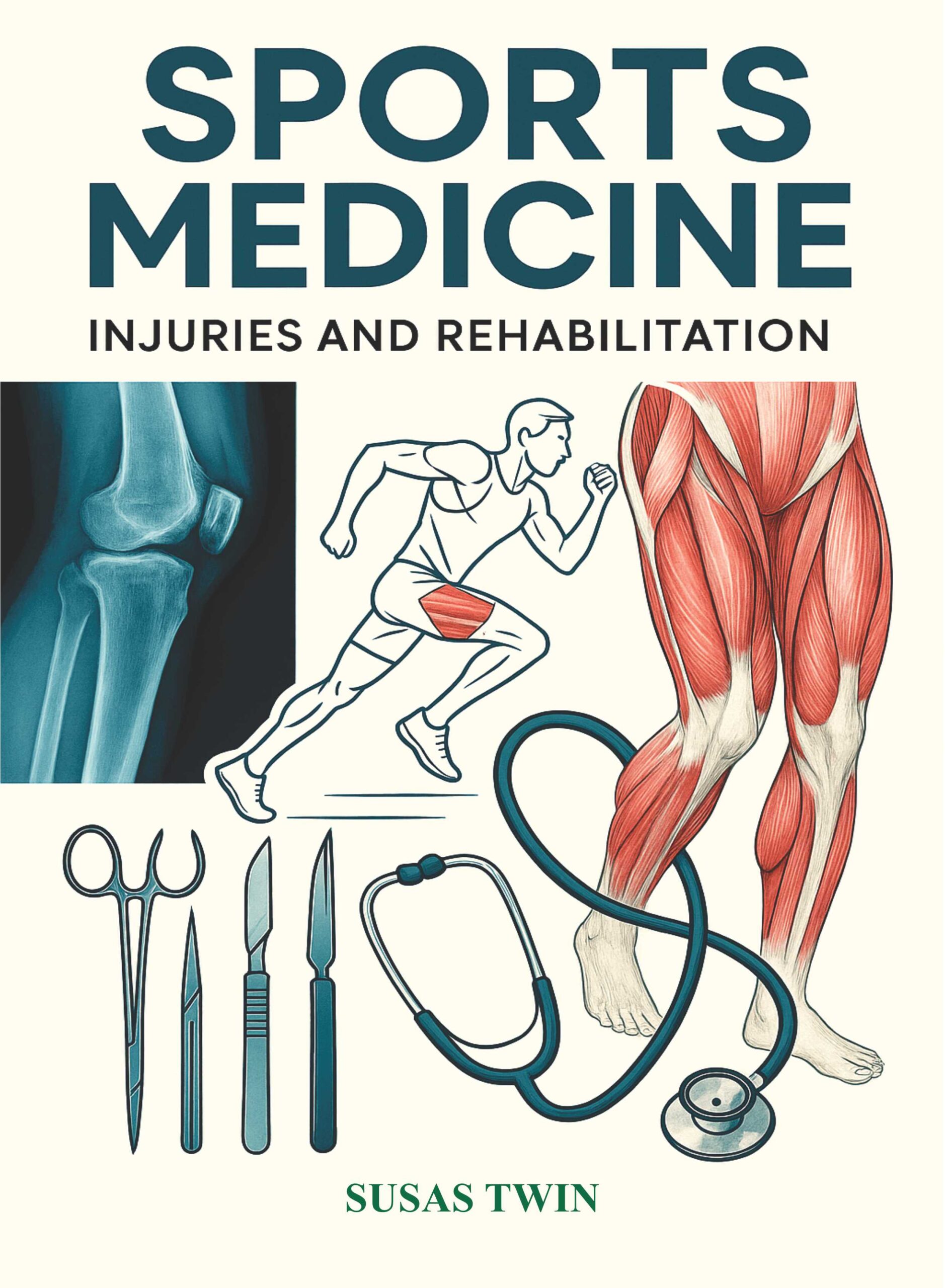
Sports Medicine: Injuries and Rehabilitation serves as the essential gateway into this dynamic and multifaceted field, establishing the core principles of athlete care and the multidisciplinary team approach that is fundamental to optimizing performance, health, and longevity. This foundational knowledge is built upon a rigorous of “Anatomy and Biomechanics in Sports,” which provides the critical language of human movement; it details the intricate structures of bones, muscles, tendons, and ligaments, and explains the physical forces that act upon them, thereby creating the scientific basis for everything from enhancing efficiency to preventing injury. When injuries do inevitably occur, the systematic process of “Sports Injury Assessment and Diagnosis” comes to the fore, equipping practitioners with the methodological tools from taking a detailed history and performing precise physical examinations to utilizing advanced imaging to accurately identify the nature and extent of the problem, a crucial first step that dictates all subsequent interventions.
This diagnostic clarity allows for a focused exploration of specific injury patterns, beginning with the complex and highly demanding “Upper Limb Sports Injuries.” The shoulders, elbows, and wrists, essential for everything from a tennis serve to a weightlifting clean, are susceptible to a unique set of challenges like rotator cuff tears, shoulder instability, and epicondylitis, each requiring a nuanced of the joint’s delicate balance between mobility and stability. Similarly, the weight-bearing joints of the “Lower Limb Sports Injuries,” including the hips, knees, and ankles, face immense stresses that commonly manifest as anterior cruciate ligament tears, meniscal injuries, and chronic conditions like patellofemoral pain, all of which can be devastating to an athlete’s mobility and career. Central to the stability and power transfer between the upper and lower body is the “Spine and Core Injuries in Athletes,” a critical area where issues ranging from muscle strains and disc pathologies to stress fractures can not only cause localized pain but also disrupt an athlete’s entire kinetic chain, fundamentally altering their biomechanics and performance potential.




Reviews
There are no reviews yet.