
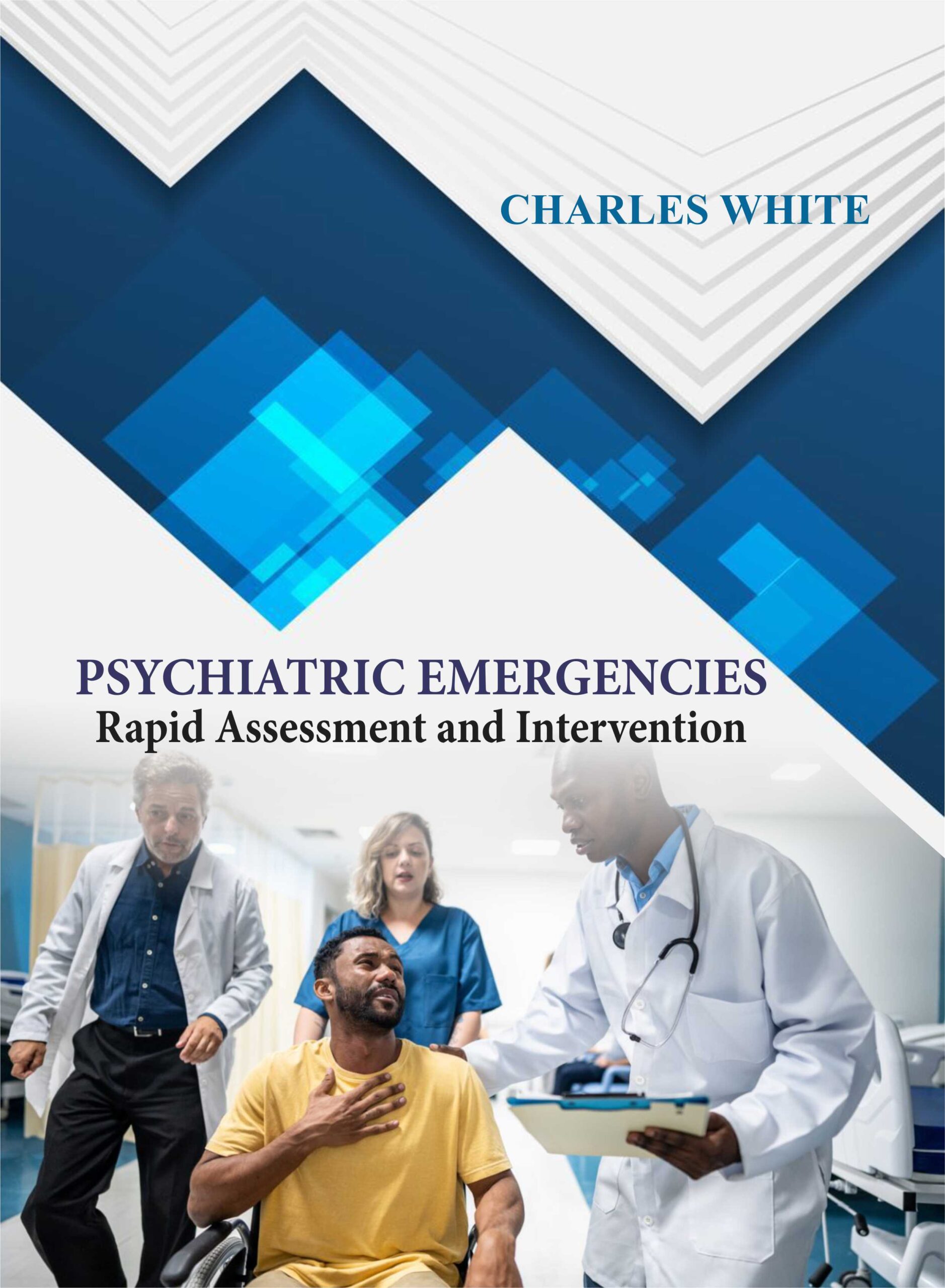
Psychiatric emergencies are among the most urgent and demanding situations faced in clinical practice, requiring immediate assessment and intervention to prevent harm to the individual or others. These crises arise when a person experiences an acute disturbance in thought, mood, or behavior that severely impairs judgment, functioning, and safety. They may stem from underlying mental illnesses, substance use, medical conditions, or psychosocial stressors. Because psychiatric emergencies often emerge suddenly and unpredictably, healthcare professionals must act swiftly and systematically to stabilize the patient, ensure safety, and initiate appropriate treatment.
The essence of managing psychiatric emergencies lies in rapid assessment. Timely and accurate evaluation helps clinicians identify the nature and severity of the crisis, assess potential risks, and plan immediate interventions. The first step in assessment is to ensure a safe environment for both the patient and the healthcare team. The clinician must approach the patient with empathy and calmness, avoiding confrontation or judgment. Establishing rapport is essential, as individuals in crisis may be frightened, agitated, or disoriented. A non-threatening tone, open body language, and simple communication can help reduce anxiety and encourage cooperation.
During the assessment, clinicians conduct a thorough mental status examination to evaluate the patient’s cognitive, emotional, and behavioral functioning. This includes observing appearance, speech, affect, thought content, and orientation. Key elements such as suicidal or homicidal ideation, hallucinations, and delusional thinking must be carefully explored to determine the level of danger. The assessment should also encompass the individual’s recent stressors, psychiatric history, medication use, and substance intake. Gathering collateral information from family members, caregivers, or emergency responders provides critical context that the patient may be unable or unwilling to share. A comprehensive evaluation also requires ruling out medical conditions that could mimic psychiatric symptoms. Physical illnesses such as infections, head injuries, endocrine disorders, or metabolic disturbances can manifest as confusion, agitation, or psychosis. Therefore, physical examination and relevant laboratory tests form an integral part of rapid assessment.



Reviews
There are no reviews yet.