
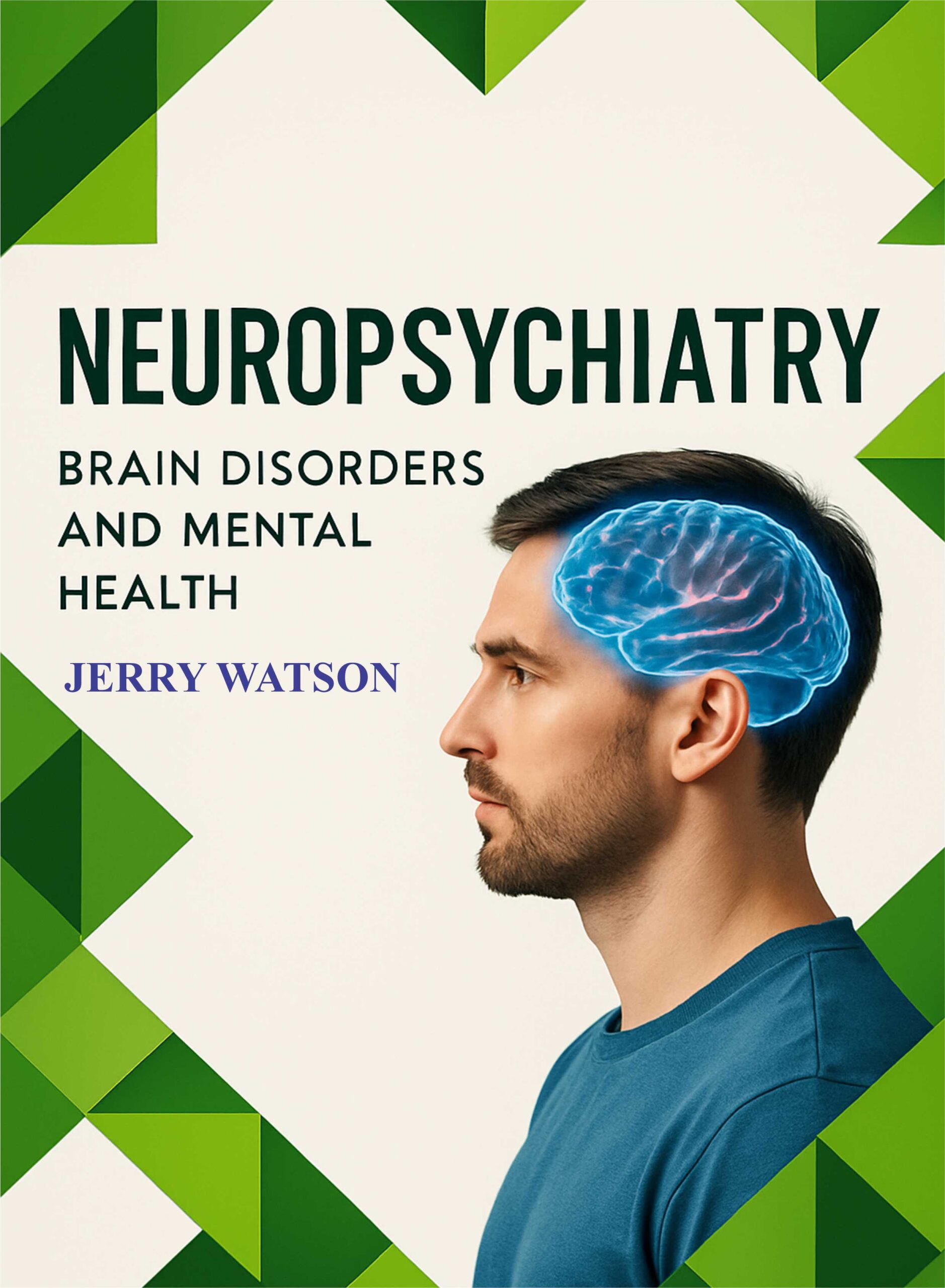
This comprehensive book on Neuropsychiatry: Brain Disorders and Mental Health serves as an essential guide that integrates multiple facets of neuroscience, neurology, and psychiatry to illuminate the complex relationships between brain disorders and mental health conditions. It begins with an Introduction to Neuropsychiatry, laying the foundation for understanding the historical context, scope, and evolving nature of this interdisciplinary field. The opening sections emphasize the significance of viewing psychiatric symptoms through the lens of brain dysfunction, bridging the traditional divide between neurological and psychiatric disorders. This introductory material sets the stage for a detailed exploration of the brain’s anatomy and chemistry, highlighting the Neuroanatomy and Neurochemistry of Behavior. Readers are guided through the intricate structure and function of key brain regions, neurotransmitter systems, and neural circuits that underlie mood, cognition, perception, and behavior. The text underscores how disruptions in these biological systems contribute to the manifestation of diverse neuropsychiatric symptoms.
Building on this biological framework, the book delves into Neurodevelopmental and Genetic Influences, emphasizing the critical role of early brain development and hereditary factors in shaping vulnerability to neuropsychiatric conditions. It discusses how genetic mutations, epigenetic modifications, and environmental exposures during critical developmental windows can predispose individuals to disorders such as autism spectrum disorders, attention-deficit hyperactivity disorder, and intellectual disabilities. This section offers a nuanced understanding of the interplay between genes and environment, highlighting the complexity of brain maturation and its impact on mental health.
The subsequent chapters focus on major clinical syndromes, beginning with Mood and Anxiety Disorders with Neurological Correlates. Here, the book explores the neurobiological substrates that link common psychiatric disorders such as depression, bipolar disorder, and anxiety with alterations in brain structure, neurotransmitter function, and neural circuitry. It examines how neurological conditions including stroke, multiple sclerosis, and Parkinson’s disease often present with overlapping mood and anxiety symptoms, thereby demonstrating the interconnectedness of neurological and psychiatric domains. Psychotic Disorders and Brain Function constitute another critical area of focus, where the book reviews current knowledge about schizophrenia, schizoaffective disorder, and other psychoses. This section highlights the role of dopamine dysregulation, glutamatergic dysfunction, and impaired neural connectivity in the pathophysiology of psychosis, while also considering the impact of brain lesions, infections, and autoimmune processes.



Reviews
There are no reviews yet.