
The Textbook of Pharmacoepidemiology: Drug Safety and Public Health is designed as a comprehensive resource that bridges pharmacology, epidemiology, and public health to explore the real-world use and safety of drugs. The book begins with a clear introduction to pharmacoepidemiology, explaining its origins as a discipline that arose from the limitations of clinical trials in detecting rare, long-term, or population-specific drug effects. It highlights how pharmacoepidemiology integrates the principles of pharmacology with the methods of epidemiology to study the benefits and risks of medications in large populations, offering a foundation for understanding the broader implications of drug use on society. This introduction establishes the relevance of the field in safeguarding patients and guiding health policy decisions.The book carefully explains the basic concepts in pharmacoepidemiology, such as incidence, prevalence, risk, and causality, which are essential for interpreting data on drug exposure and outcomes. These concepts are presented in a way that makes them accessible to both students and practitioners, ensuring that readers develop the skills needed to critically evaluate pharmacoepidemiological studies. The text emphasizes how these fundamental ideas are applied in practical contexts, such as monitoring adverse drug reactions, assessing patterns of drug utilization, and identifying factors that influence medication adherence. By grounding readers in these basics, the book provides the tools to engage with more advanced topics that follow. Study designs in pharmacoepidemiology are discussed in detail, with attention given to cohort studies, case-control studies, cross-sectional studies, and newer designs such as self-controlled case series. The book devotes significant attention to drug safety monitoring and pharmacovigilance, which are at the heart of pharmacoepidemiology. The book also explores drug utilization research, an area that examines how medications are prescribed, dispensed, and used across populations. By focusing on utilization patterns, this section highlights issues such as polypharmacy, inappropriate prescribing, and barriers to access, all of which carry important public health implications.
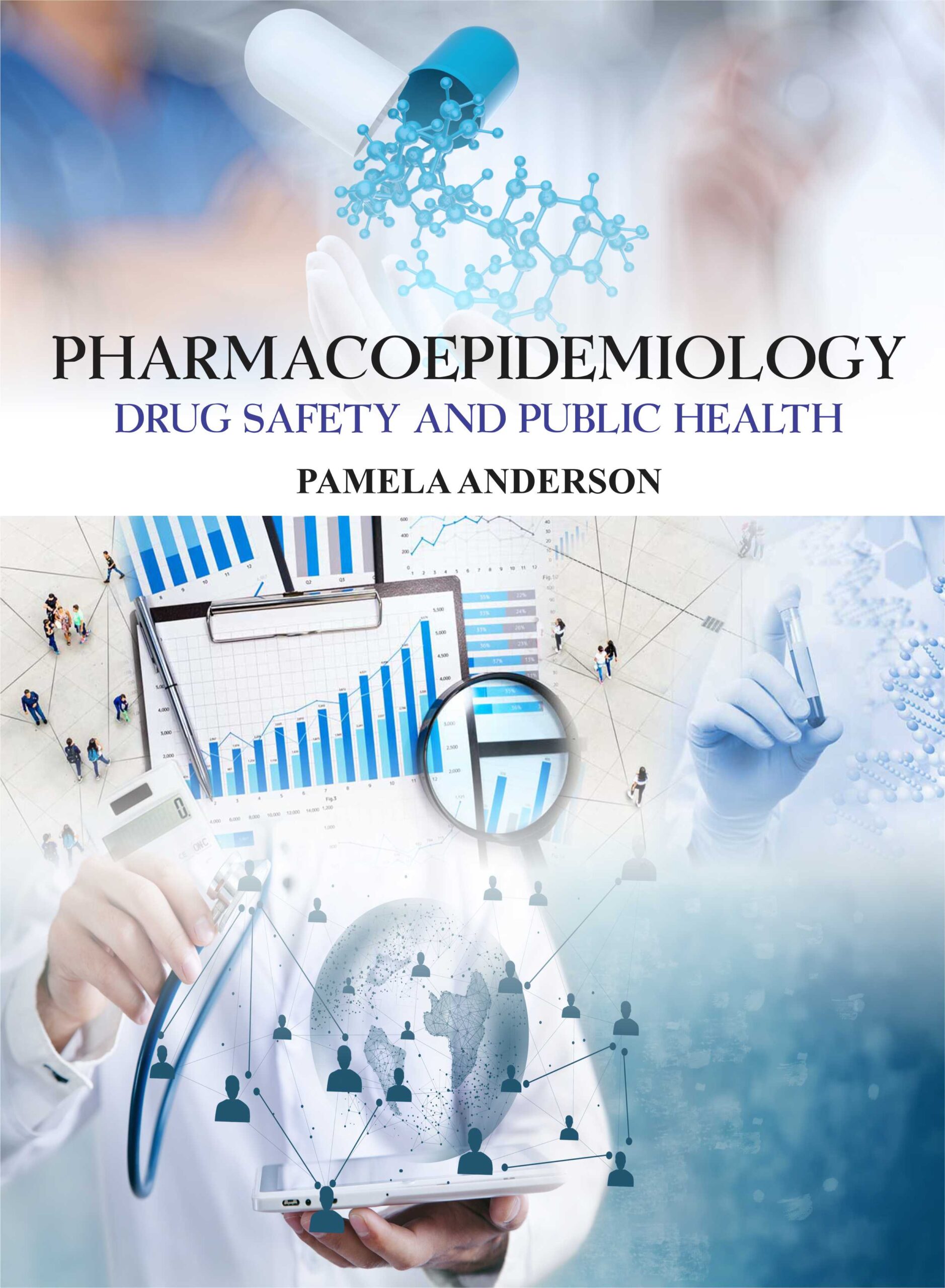
Pharmacoepidemiology : Drug Safety and Public Health
$249.99
Author Pamela Anderson
Binding Hardback
ISBN 9798897070770
Language English
Pages 312
Subject Category Pharmacology
Year of Publication 2026



Reviews
There are no reviews yet.