
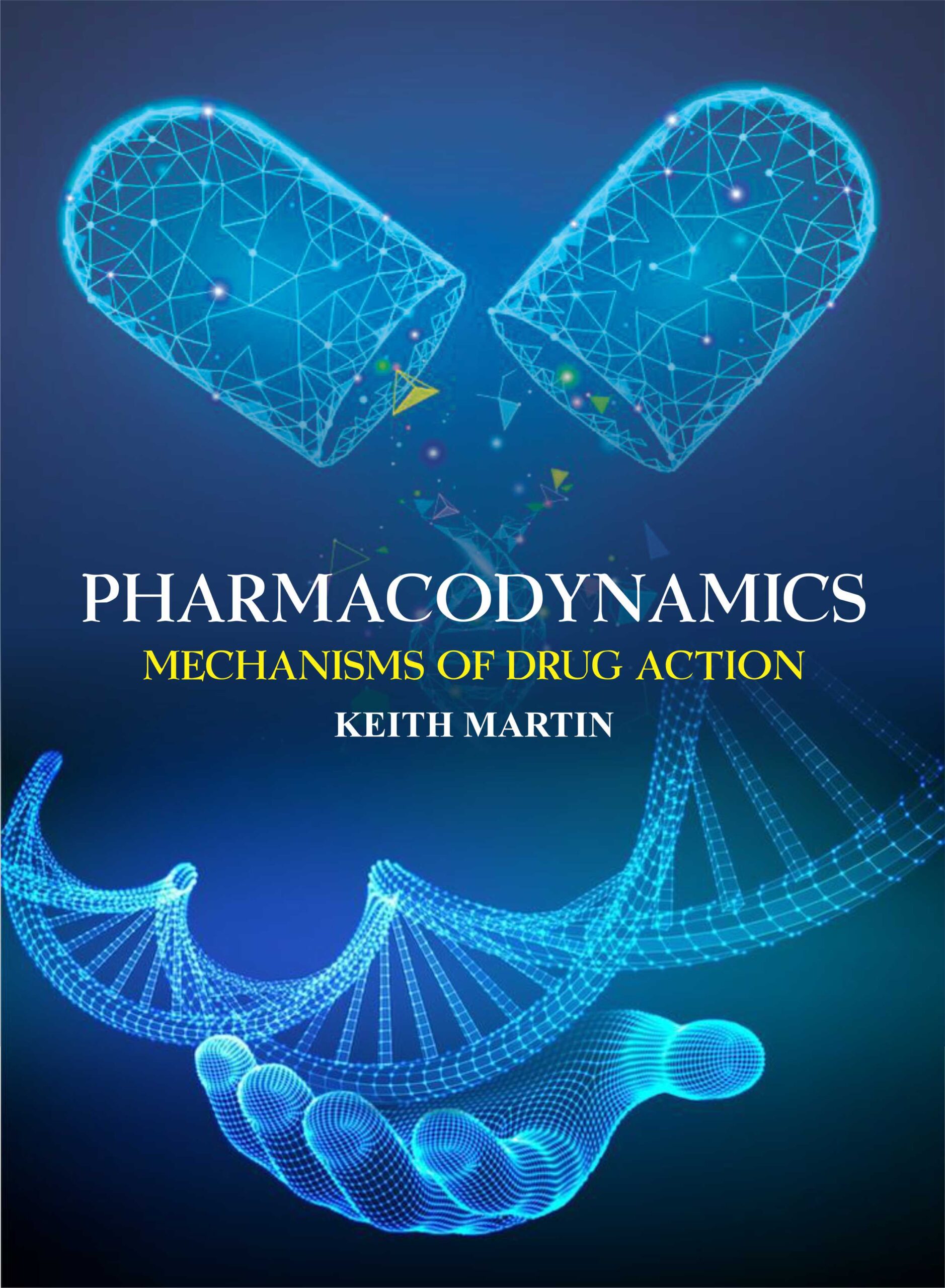
The book Pharmacodynamics: Mechanisms of Drug Action offers a comprehensive exploration of how drugs interact with the body to produce therapeutic and sometimes adverse effects. Written with clarity and depth, it serves as a foundational text for students, healthcare professionals, and researchers in the field of pharmacology and medicine. The book begins by introducing the basic principles of pharmacodynamics, distinguishing it from pharmacokinetics, and laying the groundwork for understanding how drugs exert their effects at the molecular and cellular levels. It thoroughly explains the concept of drug-receptor interactions, detailing the different types of receptors, the nature of ligand binding, and the significance of affinity and efficacy in determining a drug’s action. The discussion extends into the various types of drugs, including agonists, antagonists, inverse agonists, and allosteric modulators, providing real-world examples to illustrate their roles in clinical practice.
The text delves into the complexities of dose-response relationships, explaining how different doses of a drug can produce varying levels of response and how these relationships are interpreted through graded and quantal dose-response curves. This section also covers critical pharmacological parameters such as EC₅₀, Emax, ED₅₀, and the therapeutic index, emphasizing their relevance in drug development and therapeutic application. Furthermore, the book explores the diverse mechanisms by which drugs produce their effects beyond receptor activation, including modulation of ion channels, inhibition or activation of enzymes, and interaction with cellular transport systems. It also discusses factors that influence drug responses, such as genetic variation, age, disease states, and the development of tolerance or desensitization with prolonged drug use.
Throughout the chapters, the book integrates clinical correlations and case studies that connect theoretical knowledge with practical application. It highlights how an understanding of pharmacodynamics can inform rational prescribing, improve drug safety, and support individualized treatment plans. Special attention is given to emerging research areas, such as pharmacogenomics and receptor signaling pathways, making the book not only a source of current knowledge but also a bridge to future advances in personalized medicine.



Reviews
There are no reviews yet.