
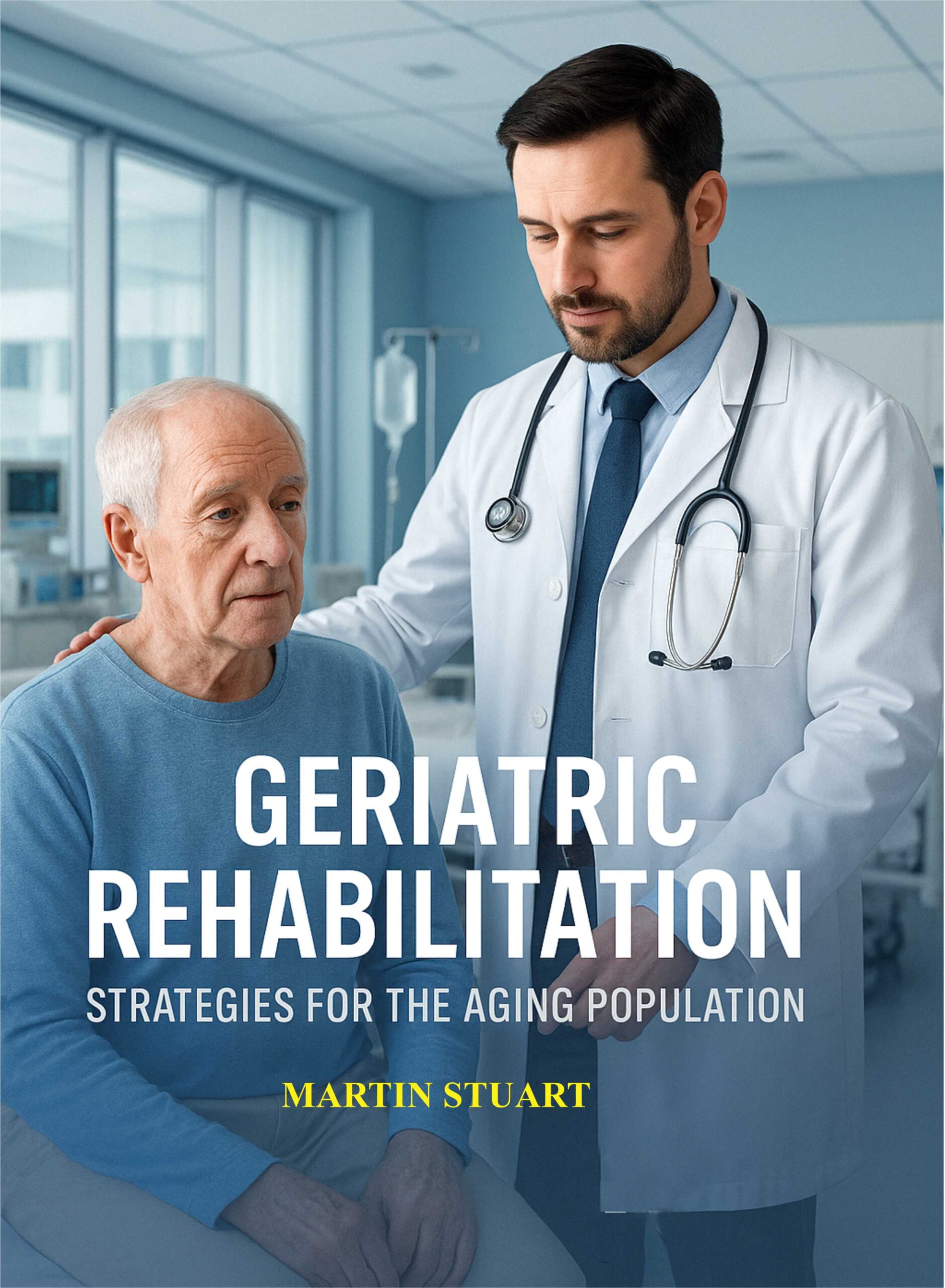
This book provides a detailed examination of geriatric rehabilitation, focusing on the tailored strategies that restore function and promote independence in older adults. It begins with the physiological changes of aging, detailing the declines in muscle mass, bone density, sensory acuity, and cognitive processing speed that influence recovery. The narrative establishes a core distinction between typical aging and treatable disability, guiding clinicians to identify realistic goals for each individual. A central theme involves the comprehensive geriatric assessment, a multidimensional process that evaluates not just physical impairments, but also cognitive status, psychological well-being, social support, and environmental safety within the home.
The work dedicates significant attention to the rehabilitation of common conditions in this population. It details therapeutic exercises for restoring mobility and balance after a hip fracture or joint replacement, aiming to reduce the risk of future falls. The text outlines structured programs for managing the symptoms of osteoarthritis, Parkinson’s disease, and cardiac events, emphasizing the maintenance of functional abilities for daily tasks. A key section investigates the complex process of stroke rehabilitation, describing techniques to retrain motor control, address speech and swallowing difficulties, and adapt to visual or sensory deficits. The narrative also covers the critical role of pain management and the safe use of assistive devices, from canes and walkers to wheelchairs, to enhance safe mobility.
This presents geriatric rehabilitation not as a short-term intervention, but as a patient-centered, continuous process. It demonstrates that successful outcomes are measured by improvements in a person’s quality of life, their ability to perform self-care, and their capacity to engage with their community. The book argues for an interdisciplinary model where physicians, physical and occupational therapists, speech-language pathologists, and social workers collaborate to create a cohesive care plan. This strategy ensures that the unique needs of the aging individual are met with a coordinated and compassionate response, enabling them to achieve their highest possible level of autonomy and well-being.




Reviews
There are no reviews yet.