
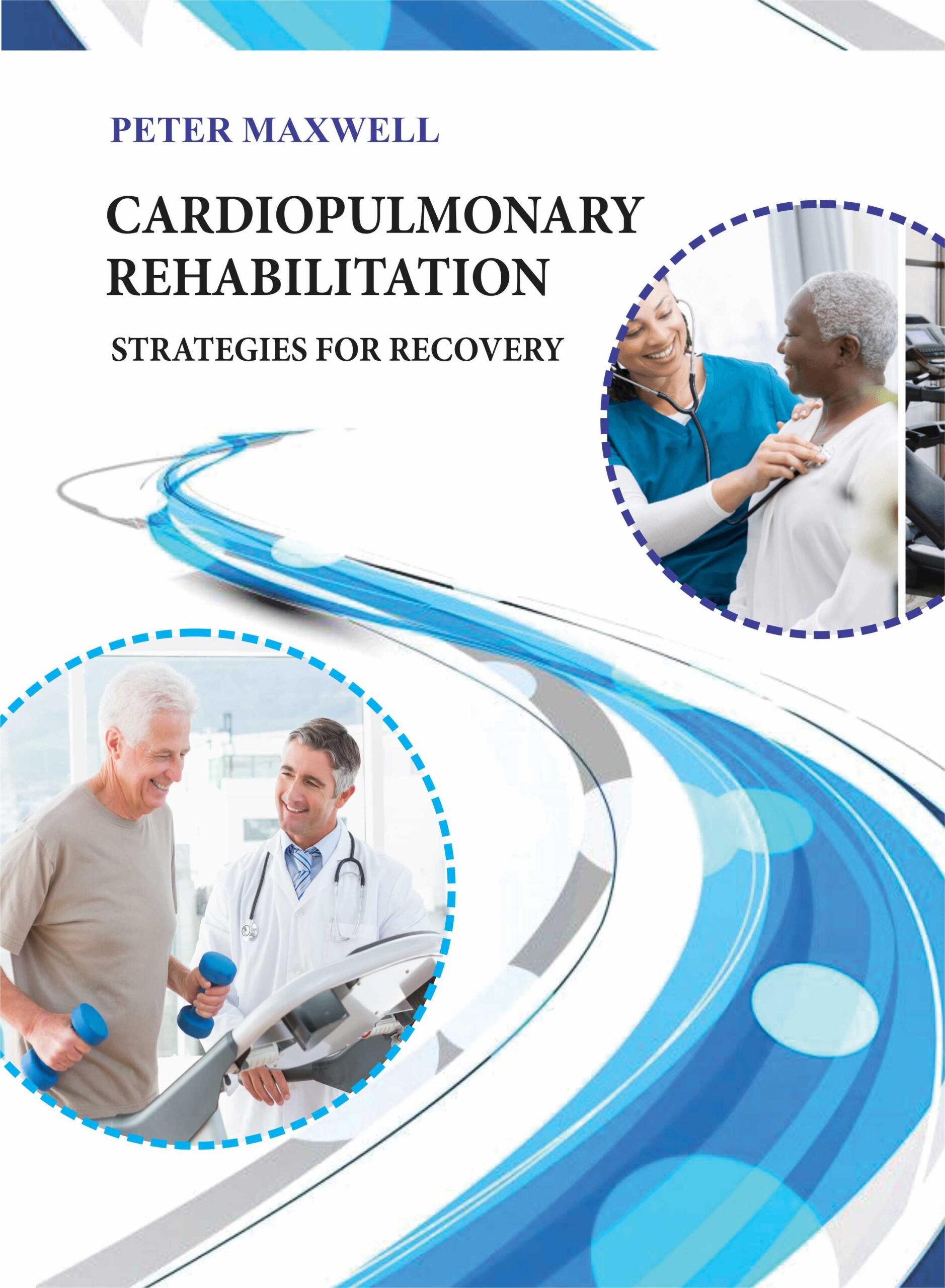
Cardiopulmonary rehabilitation is a comprehensive, evidence-based approach designed to optimize recovery and improve the quality of life for individuals who have experienced cardiovascular or pulmonary conditions. This multidisciplinary intervention integrates medical evaluation, supervised exercise, education, and behavioral counseling to address the physical, psychological, and social challenges associated with heart and lung diseases. Cardiopulmonary rehabilitation is recommended for a wide range of conditions, including myocardial infarction, coronary artery bypass surgery, heart failure, chronic obstructive pulmonary disease (COPD), and pulmonary hypertension. The primary goals are to enhance exercise tolerance, reduce cardiovascular risk factors, alleviate symptoms, and empower patients to adopt healthier lifestyles.
A cornerstone of cardiopulmonary rehabilitation is structured exercise training, which is tailored to the individual’s clinical status and functional capacity. Supervised aerobic and resistance exercises improve cardiopulmonary fitness, muscle strength, and endurance. These activities not only enhance physical function but also yield secondary benefits such as improved cognitive function, reduced anxiety and depression, and better balance and coordination. The exercise regimen is carefully monitored to ensure safety and effectiveness, with regular adjustments based on patient progress and feedback.
In addition to exercise, cardiopulmonary rehabilitation emphasizes education and counseling on lifestyle modification. Patients receive guidance on nutrition, weight management, smoking cessation, and stress reduction. These interventions are crucial for controlling risk factors such as hypertension, diabetes, and hyperlipidemia, which are common contributors to cardiovascular and pulmonary diseases. Educational sessions help patients understand their condition, manage medications, and recognize warning signs of complications, fostering greater self-efficacy and adherence to treatment plans.
Psychological support is another vital component of cardiopulmonary rehabilitation. Many patients experience anxiety, depression, and fear following a cardiac or pulmonary event. Counseling and support groups provide a safe space for patients to express their concerns, share experiences, and develop coping strategies. Addressing mental health not only improves emotional well-being but also enhances overall recovery outcomes.



Reviews
There are no reviews yet.