
This book provides a clinical pathway into the dynamic world of the human heart and vascular system, presenting the key imaging modalities that define modern cardiac diagnosis. The journey begins with echocardiography, a cornerstone technique that uses sound waves to produce a real-time cinematic view of the beating heart. This safe and immediate tool allows physicians to watch valve motion, assess the heart’s pumping strength, and visualize blood flow patterns with color Doppler, revealing leaks or obstructions as they happen.
When greater anatomical detail is required, computed tomography steps forward, constructing exquisite three-dimensional models of the heart and its vessels. Cardiac CT excels in non-invasively mapping the coronary arteries, pinpointing the presence and character of atherosclerotic plaque long before it causes a clinical event, thus serving as a powerful tool for early risk assessment. For cases demanding definitive intervention, the cardiac catheterization lab offers invasive coronary angiography. This procedure provides a direct, live-action X-ray movie of contrast dye flowing through the coronary tree, highlighting narrowings with exact precision. Its distinct power lies in its seamless transition from diagnosis to treatment, often allowing for the immediate placement of a stent to open a blocked artery.Beyond these structural evaluations, nuclear cardiology techniques answer critical questions about muscle viability. Using safe radioactive tracers, SPECT and PET scans create images of blood perfusion at a cellular level, identifying areas of the heart muscle that are starved of blood or are irreversibly scarred, information crucial for planning further therapy. Adding another layer, magnetic resonance imaging leverages powerful magnets and radio waves to generate images with exceptional soft-tissue contrast. Cardiac MRI stands as the benchmark for quantifying heart function and, through its unique tissue characterization abilities, can detect and quantify scar tissue, visualize inflammation in heart muscle, and identify abnormal infiltrative diseases.
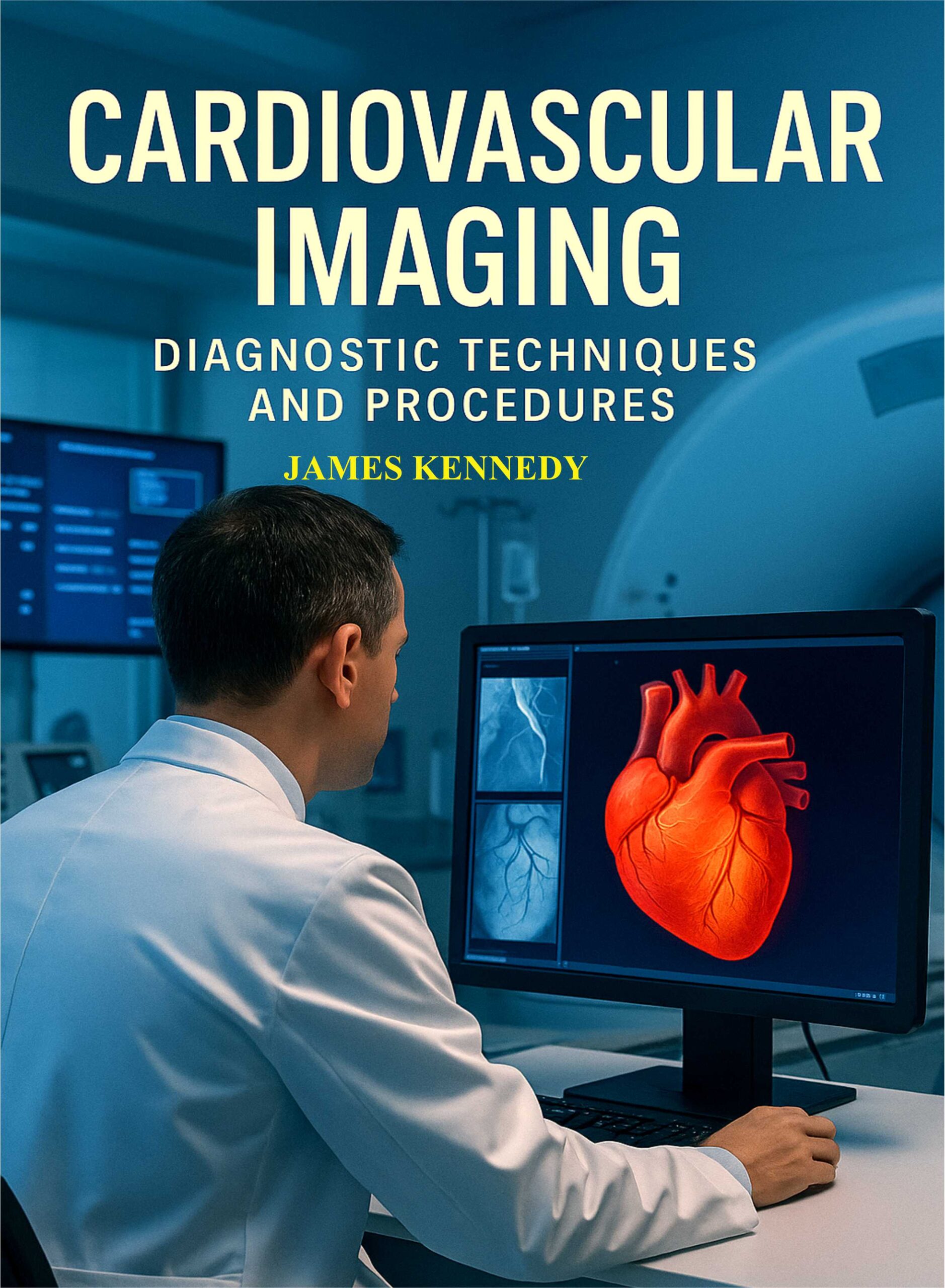
Cardiovascular Imaging : Diagnostic Techniques and Procedures
$239.99
Author James Kennedy
Binding Hardback
ISBN 9798897071562
Language English
Pages 337
Subject Category Radiology
Year of Publication 2026




Reviews
There are no reviews yet.