
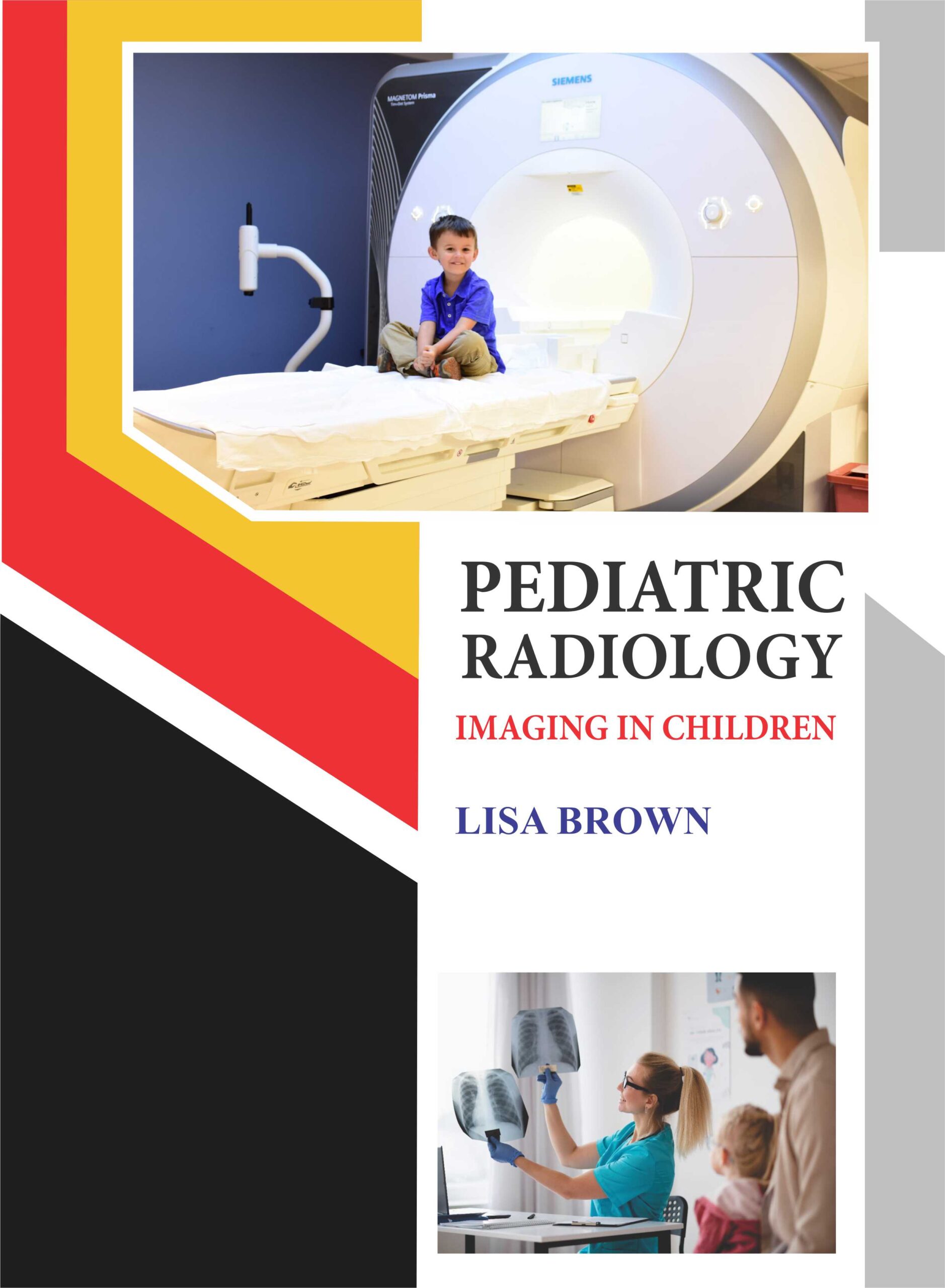
The book Pediatric Radiology: Imaging in Children serves as a comprehensive guide to the principles, techniques, and clinical applications of diagnostic imaging in the pediatric population. It explores the unique aspects of imaging in infants, children, and adolescents, emphasizing how their anatomical, physiological, and developmental differences influence radiological evaluation and interpretation. Designed for medical students, radiology residents, pediatricians, and practicing radiologists, this book provides a detailed yet accessible understanding of how imaging modalities are used to diagnose, monitor, and manage diseases specific to children. It bridges foundational knowledge with advanced imaging technology, ensuring that readers grasp both the theoretical and practical dimensions of pediatric radiology.
The introductory section, Introduction to Pediatric Radiology, lays the groundwork by explaining the scope, evolution, and importance of imaging in children’s healthcare. It discusses the distinctive challenges posed by pediatric imaging, such as the need for child-friendly environments, radiation safety, and the adaptation of imaging protocols to suit various age groups. It also emphasizes the ethical considerations and communication strategies required to obtain optimal imaging results in young patients while minimizing distress and exposure risks. The reader gains an appreciation for the specialized expertise required in this field, where diagnostic precision must always be balanced with compassion and care.
The section on Principles of Pediatric Imaging delves deeper into the technical foundations that govern safe and effective radiological practice in children. It covers the physics of imaging modalities, the biological impact of radiation, dose optimization strategies, and the application of the ALARA (As Low As Reasonably Achievable) principle. The importance of tailoring protocols based on patient age, size, and clinical indication is underscored throughout. Additionally, the chapter addresses the growing role of non-ionizing imaging techniques such as ultrasound and MRI, which are increasingly preferred in pediatric settings for their safety and diagnostic efficacy.
In Chest and Cardiovascular Imaging, the book explores radiographic, CT, and MRI evaluation of pediatric thoracic and cardiac diseases. It presents the normal developmental anatomy of the lungs and heart, followed by discussions of congenital heart diseases, pulmonary infections, airway disorders, and vascular anomalies. Special attention is given to echocardiography and cardiac MRI, which are pivotal for non-invasive assessment of congenital and acquired heart conditions.


Reviews
There are no reviews yet.