
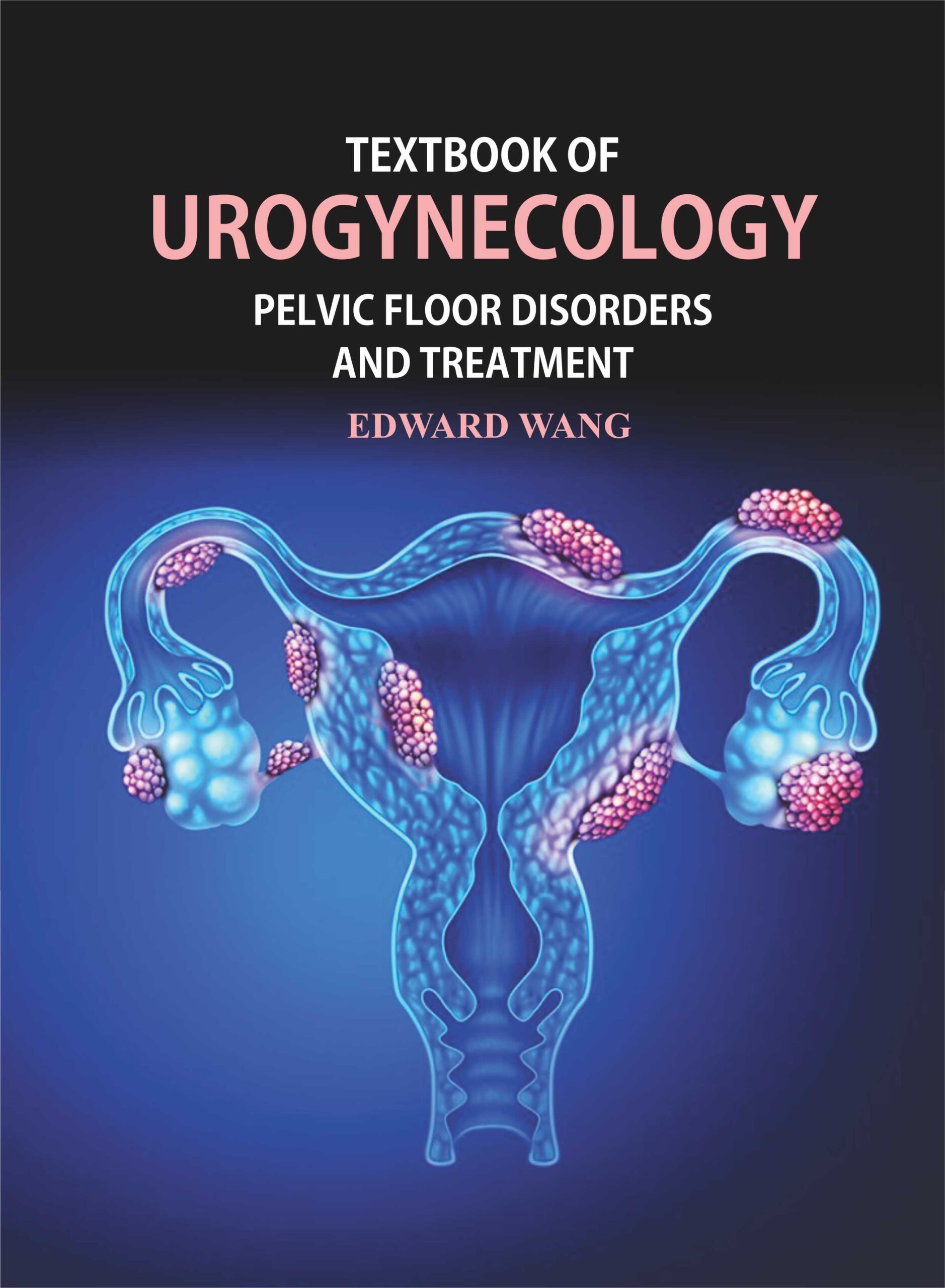
The Textbook of Urogynecology: Pelvic Floor Disorders and Treatment is a comprehensive academic resource that brings together the science and clinical practice of diagnosing and managing pelvic floor dysfunctions in women. It serves as an essential guide for medical students, residents, gynecologists, urologists, and allied health professionals who seek a deep understanding of the anatomical, physiological, and pathological foundations of the pelvic floor. The book explores the intricate network of muscles, ligaments, fascia, and nerves that support the pelvic organs, explaining how these structures work in harmony to maintain continence, support organ position, and ensure coordinated bladder and bowel function. It also examines how childbirth, aging, hormonal changes, obesity, and surgical trauma can disrupt these mechanisms, leading to conditions such as urinary incontinence, pelvic organ prolapse, fecal incontinence, and chronic pelvic pain. By linking basic anatomy and physiology with clinical presentation and therapeutic strategies, the textbook provides a holistic understanding of pelvic floor disorders that bridges scientific knowledge with patient care.
The text emphasizes a patient-centered and multidisciplinary approach to diagnosis and treatment, combining insights from gynecology, urology, and colorectal medicine. It outlines the importance of comprehensive clinical evaluation, from detailed history-taking and physical examination to advanced diagnostic methods such as urodynamics, cystoscopy, ultrasound, and MRI. The integration of evidence-based diagnostic frameworks helps clinicians accurately identify the type and severity of dysfunction, enabling the formulation of individualized treatment plans. The book’s structure promotes clarity, with each chapter progressing logically from anatomy and pathophysiology to management and long-term outcomes. It also highlights the importance of communication and patient education, ensuring that treatment decisions align with the patient’s needs, preferences, and lifestyle.
A major strength of the Textbook of Urogynecology lies in its balanced discussion of both conservative and surgical management. The non-surgical approaches include pelvic floor muscle training, biofeedback, behavioral modification, pharmacotherapy, and the use of pessary devices. These methods are presented not as alternatives to surgery but as integral components of a comprehensive care plan that prioritizes safety, accessibility, and long-term success.



Reviews
There are no reviews yet.