
The Textbook of Toxicology: Understanding Adverse Drug Reactions offers a comprehensive exploration of how drugs, while beneficial in treating diseases, may also pose risks that manifest as adverse drug reactions. The book begins with an introduction to toxicology, tracing its origins as a scientific discipline and emphasizing its relevance in modern clinical care. Toxicology is presented not merely as the study of poisons but as a critical field that bridges pharmacology, medicine, and public health, seeking to understand the harmful consequences of drug use and exposure while aiming to safeguard patient safety. The initial sections outline the foundations of adverse drug reactions, classifying them into predictable and unpredictable categories and highlighting their clinical significance in therapeutic practice. A strong emphasis is placed on pharmacokinetics and pharmacodynamics, as these principles determine the onset, intensity, and duration of toxic responses. By examining drug absorption, distribution, metabolism, and excretion, the book clarifies how altered kinetics in specific populations can lead to heightened risks. The interplay between drug concentration and receptor interactions is carefully explained, establishing the foundation for understanding both therapeutic and toxic outcomes. The discussion extends into immunological and hypersensitivity reactions, detailing how drugs can elicit immune-mediated responses ranging from mild allergic manifestations to life-threatening anaphylaxis. These reactions underscore the complexity of drug safety, as they are not always dose-dependent and often involve intricate immunological pathways. Advancing into more specialized areas, the book examines toxicokinetics and the use of biomarkers in identifying and predicting adverse drug reactions. These tools allow clinicians and researchers to monitor exposure levels and detect early signs of toxicity before clinical symptoms emerge. Drug-induced hypersensitivity syndromes are analyzed as distinct clinical entities, with emphasis on their varied presentations and the necessity for prompt recognition and management. The text also highlights the unique vulnerabilities of pediatric and geriatric populations, where developmental physiology and age-related decline profoundly alter drug responses. Altogether, this textbook provides an authoritative framework for understanding adverse drug reactions, integrating scientific mechanisms with clinical practice. It serves as both a reference for healthcare professionals and a guide for students seeking to master the complexities of toxicology and its role in patient safety.
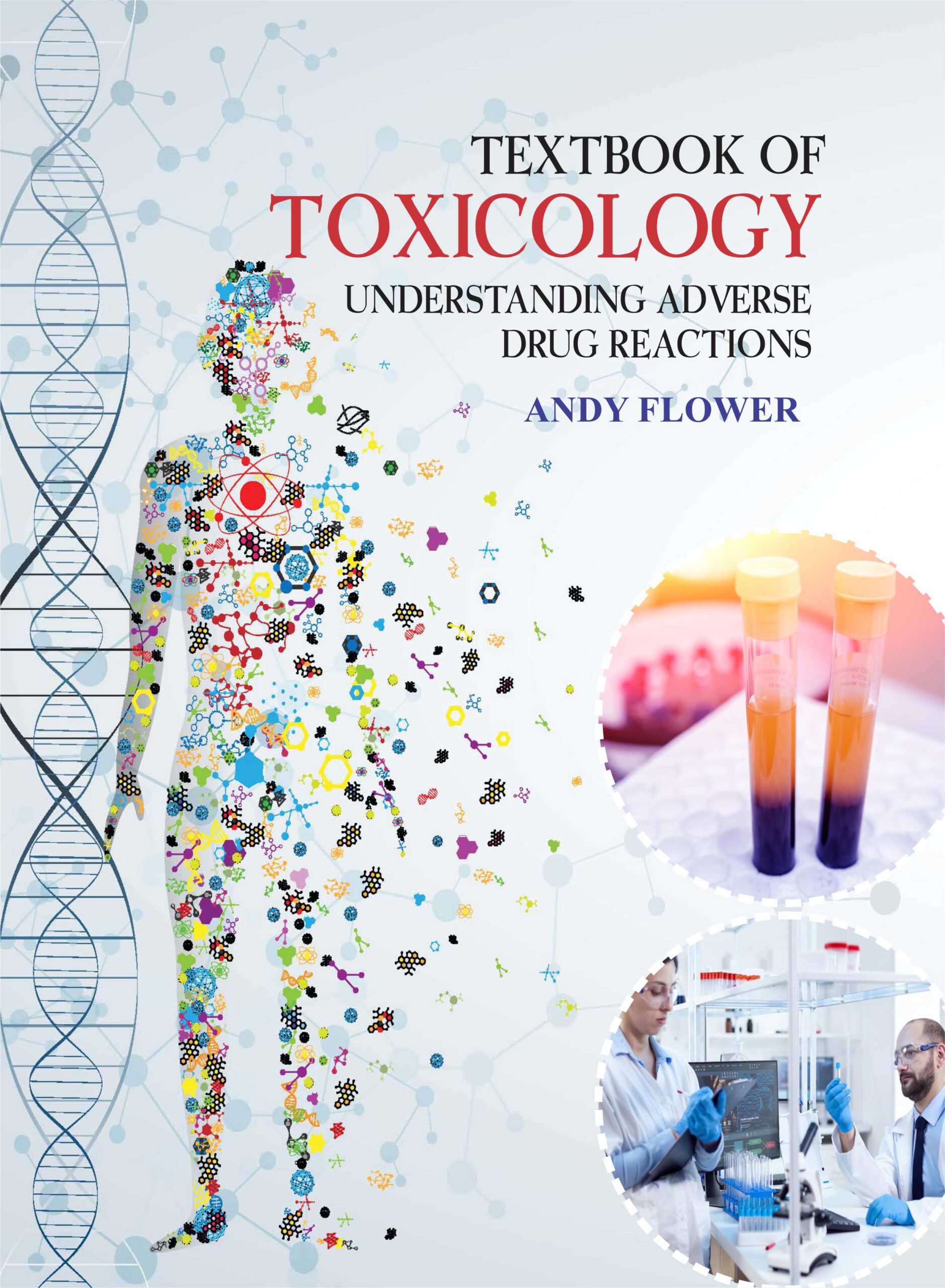
Textbook of Toxicology : Understanding Adverse Drug Reactions
$239.99
Author Andy Flower
Binding Hardback
ISBN 9798897070756
Language English
Pages 317
Subject Category Pharmacology
Year of Publication 2026


Reviews
There are no reviews yet.