
The Textbook of Internal Medicine: Foundations and Advances is a comprehensive and authoritative guide that integrates the vast domains of internal medicine into a single, cohesive resource for students, trainees, and practicing clinicians. The book begins with an in-depth introduction to internal medicine, offering readers a strong understanding of its origins, evolution, and significance as a discipline that serves as the cornerstone of adult medical care. It emphasizes the holistic approach of internal medicine, highlighting its focus on diagnostic reasoning, prevention, and the management of complex diseases affecting multiple organ systems. The narrative underscores the discipline’s role as both a scientific and humanistic practice, one that demands not only medical expertise but also empathy and patient-centered care. The fundamentals of clinical practice form the foundation of this textbook, providing a comprehensive review of essential skills such as history-taking, physical examination, diagnostic reasoning, and the integration of laboratory and imaging studies. This section emphasizes the art and science of clinical medicine, blending time-tested principles with evidence-based techniques to ensure accuracy and confidence in patient evaluation. Students and practitioners are guided through approaches to common symptoms, methods for building differential diagnoses, and strategies for delivering effective patient communication, which are indispensable to developing clinical expertise. The textbook also explores advances in internal medicine, dedicating significant space to precision medicine, genomics, novel therapeutics, and the integration of artificial intelligence and digital health in clinical decision-making. These chapters highlight how technology and innovation are transforming patient care, offering new opportunities for disease prevention, early diagnosis, and individualized treatment. Research and evidence-based practice form the capstone of the book, guiding readers through the principles of clinical research design, critical appraisal of literature, and the application of research findings to everyday practice. This section underscores the importance of continuous learning and the role of evidence-based medicine in improving patient outcomes. Overall, Textbook of Internal Medicine: Foundations and Advances serves as a complete, integrated guide that blends foundational knowledge with modern innovations in medicine. Its structured yet narrative approach allows readers to build a strong understanding of both core principles and evolving trends in the field. By covering every major organ system, clinical specialty, and emerging area of research, the book offers a resource that is both timeless and forward-thinking. Designed to meet the needs of medical students, residents, clinicians, and researchers, this textbook represents a comprehensive contribution to the practice and future of internal medicine, offering a rich blend of science, clinical reasoning, and compassion for patient care.
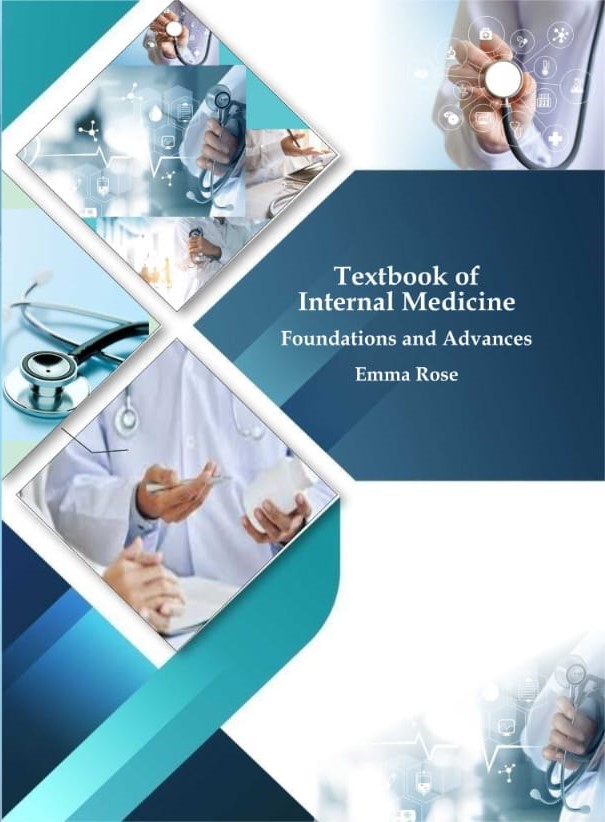
Textbook of Internal Medicine: Foundations and Advances
$239.99
Author Emma Rose
Binding Hardback
ISBN 9798897070121
Language English
Pages 317
Subject Category General Medicine
Year of Publication 2026





Reviews
There are no reviews yet.