
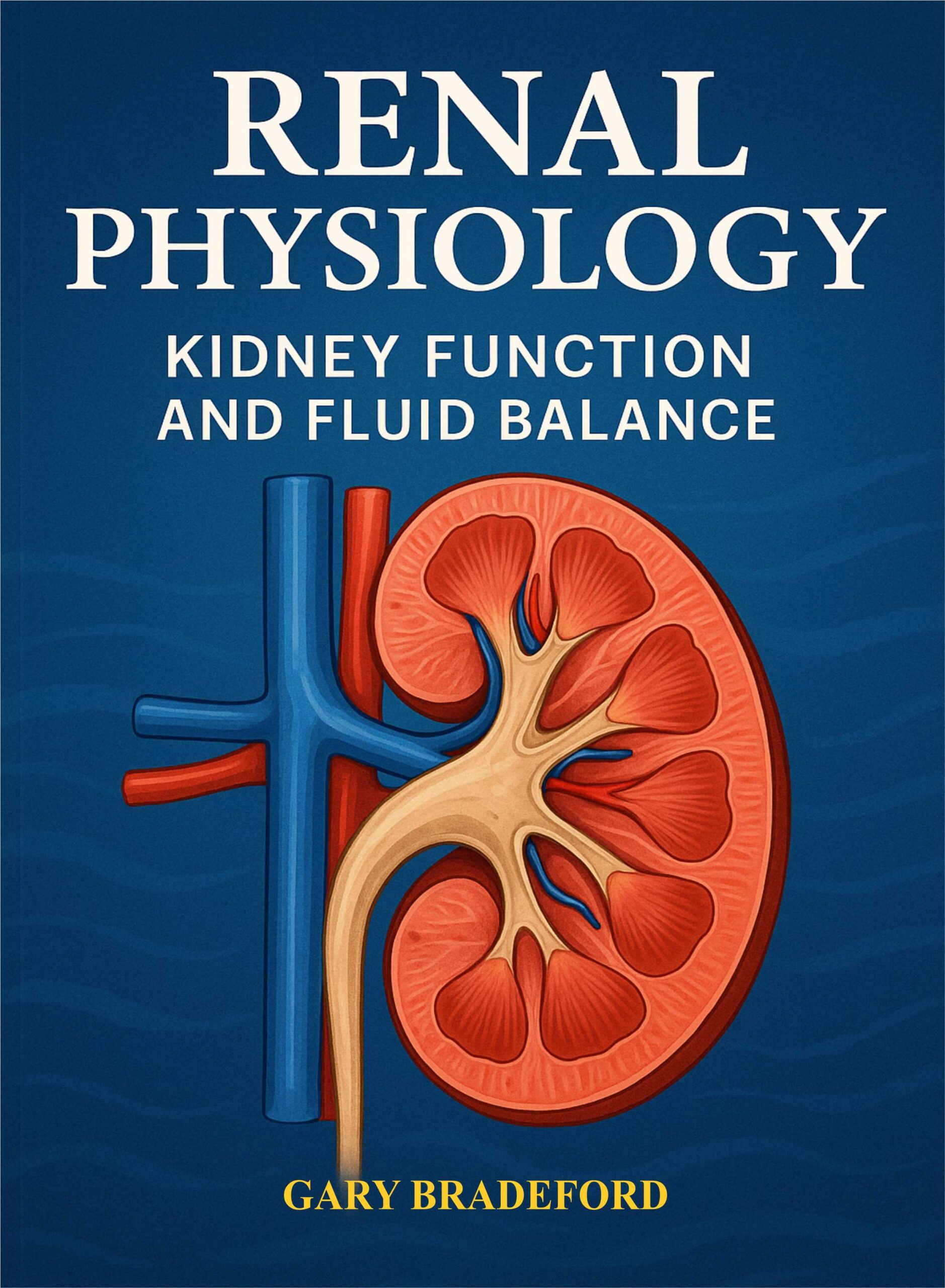
This book delivers a detailed examination of renal physiology, focusing on the kidney’s central role in maintaining the body’s internal stability. It begins with the organ’s gross anatomy, tracing the path of blood flow through the renal arteries into the intricate filtering units, the nephrons. The narrative details the three core processes governing kidney function: filtration, reabsorption, and secretion. It explains how the glomerulus acts as a initial sieve, producing a filtrate from the plasma, and how the subsequent renal tubule then performs the precise work of reclaiming essential water, electrolytes, and nutrients while simultaneously adding waste products for excretion. This selective process ensures that vital substances are retained in the blood, while unwanted metabolites are efficiently eliminated in the urine.
A significant portion of the text investigates the sophisticated mechanisms that regulate fluid and electrolyte balance. The work describes the hormonal controls, such as the renin-angiotensin-aldosterone system and antidiuretic hormone, which fine-tune sodium and water reabsorption in response to the body’s hydration status and blood pressure. This hormonal orchestration allows the kidneys to produce a small volume of concentrated urine during periods of dehydration or a large volume of dilute urine following high fluid intake. The book further explores the kidney’s critical role in managing the body’s acid-base equilibrium, showing how the tubules selectively excrete or conserve hydrogen and bicarbonate ions to maintain a stable pH in the blood.
The text connects these renal processes directly to systemic health, demonstrating how the kidneys regulate blood pressure through the control of fluid volume and the release of vasoactive substances. It also covers their metabolic functions, including the production of erythropoietin for red blood cell synthesis and the activation of vitamin D for calcium homeostasis. The narrative illustrates how the composition of the final urine reflects the sum of these complex tubule activities, serving as a mirror of the body’s physiological state. This journey presents the kidney not as a simple passive filter, but as a dynamic, intelligent organ that continuously monitors and adjusts the composition of the blood, playing an indispensable part in sustaining the entire biological system.


Reviews
There are no reviews yet.