
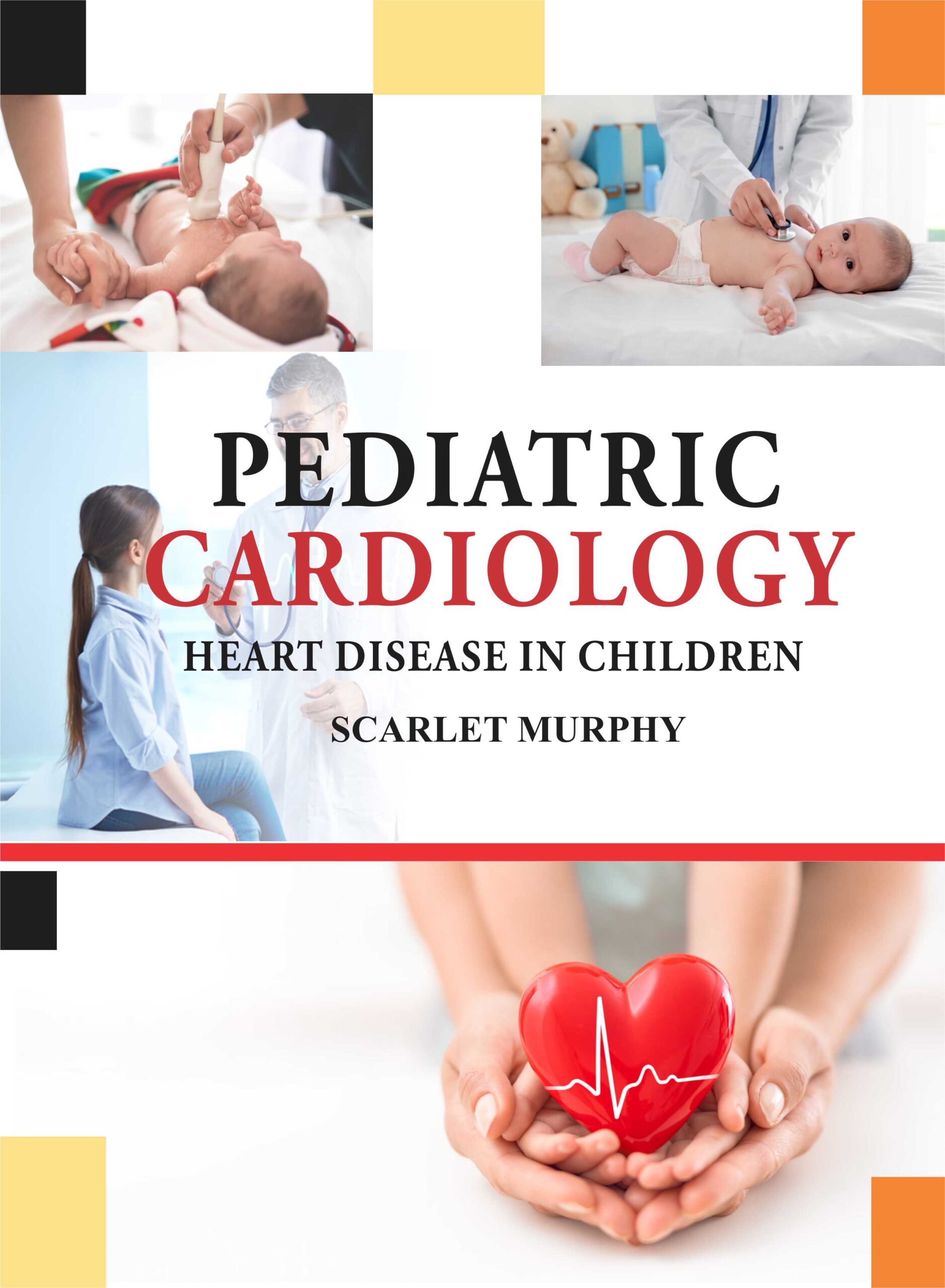
This book presents a thorough examination of pediatric cardiology, offering a detailed understanding of heart disease in children and the unique challenges it presents. It is designed to guide healthcare professionals, students, and caregivers through the intricate landscape of childhood cardiovascular health. Pediatric cardiology is a field that requires not only technical expertise but also a deep appreciation for the physiological and emotional differences that distinguish children from adults. The developing heart exhibits distinct responses to illness, growth, and treatment, and this book emphasizes the importance of early recognition, precise diagnosis, and individualized management strategies to ensure optimal outcomes.
It explores both congenital and acquired heart diseases, illustrating how these conditions impact children at various stages of growth and development. Congenital heart defects form a significant portion of pediatric cardiovascular disorders, often manifesting as structural abnormalities that may range from minor defects to complex malformations affecting multiple chambers or vessels. The text delves into the underlying causes of these anomalies, including genetic factors, maternal health influences, and environmental contributors, while highlighting the role of modern diagnostic tools such as fetal echocardiography in early detection and planning for postnatal interventions.
Acquired heart diseases, though less frequent, present equally significant challenges. Conditions such as Kawasaki disease, myocarditis, cardiomyopathies, and rheumatic heart disease can develop in children due to infections, autoimmune responses, or systemic illnesses. The book examines the pathophysiology, clinical manifestations, and treatment strategies for these conditions, emphasizing timely intervention to prevent long-term complications. Special attention is given to the diagnostic process in pediatric cardiology, where imaging modalities, electrocardiography, and exercise testing play critical roles in assessing cardiac function and structure. The text also explores the role of cardiac catheterization both as a diagnostic and therapeutic tool, enabling precise evaluation of complex conditions and facilitating interventions that improve outcomes while minimizing risk.
Treatment strategies are discussed comprehensively, including surgical repair, interventional cardiology procedures, and medical management for heart failure, arrhythmias, and pulmonary hypertension. The importance of long-term follow-up is highlighted, as many children require ongoing monitoring, repeat interventions, or lifelong care to maintain cardiac health. Throughout the book, the value of a multidisciplinary and family-centered approach is reinforced, recognizing that the care of children with heart disease extends beyond medical procedures to include emotional support, education, and collaboration among caregivers, healthcare professionals, and rehabilitation specialists.





Reviews
There are no reviews yet.