
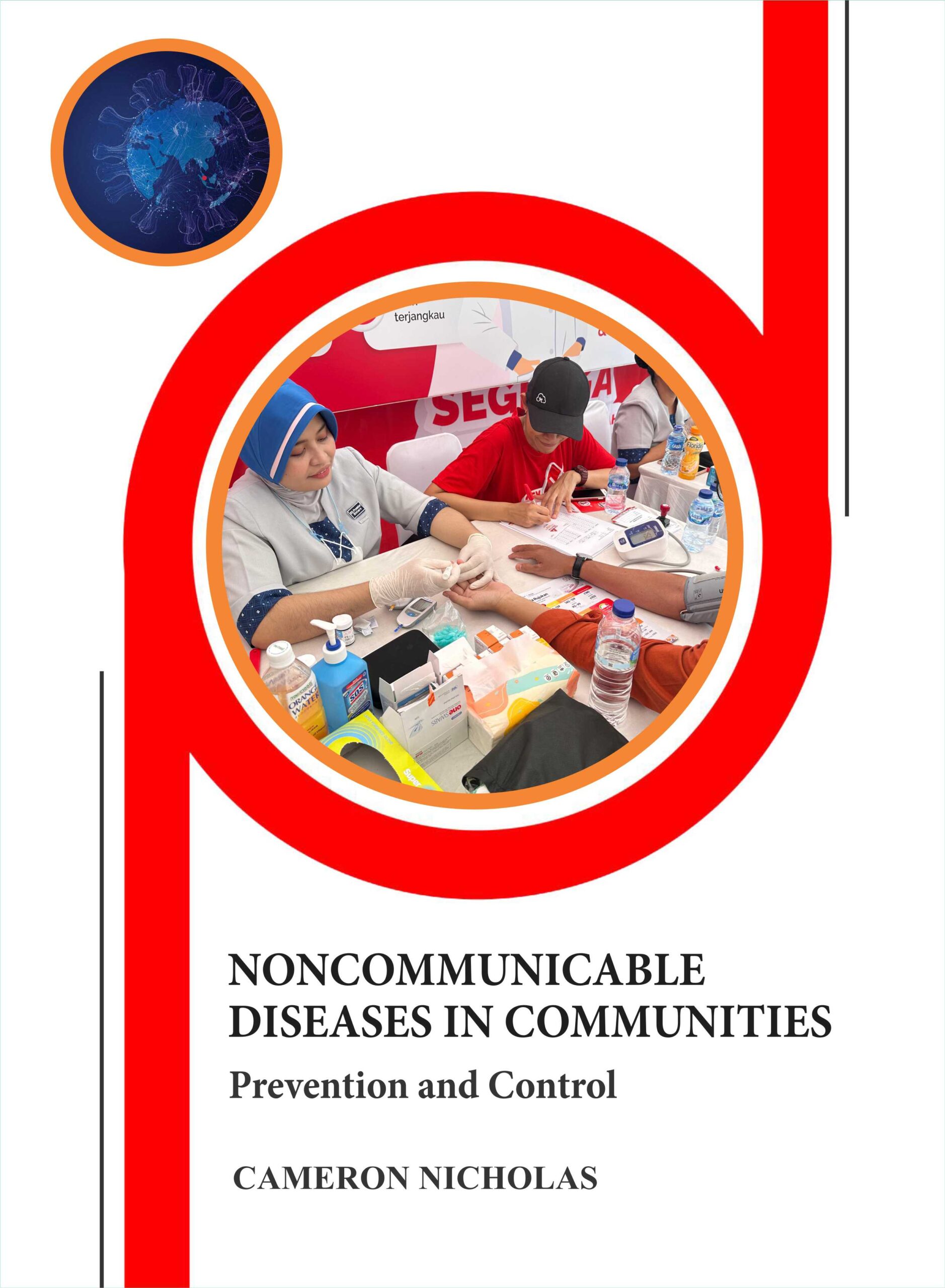
This book offers a detailed examination of noncommunicable diseases, focusing on the strategies for their prevention and control within community populations. It begins by identifying the four major disease categories cardiovascular conditions, cancers, chronic respiratory illnesses, and diabetes that dominate mortality patterns in modern societies. The narrative establishes the foundational role of shared behavioral and physiological risk factors, including tobacco use, unhealthy diets, physical inactivity, and the harmful consumption of alcohol. These common pathways create a platform for integrated public health interventions rather than isolated disease-specific approaches.
A significant portion of the text investigates the design and implementation of population-wide prevention programs. The work details the mechanics of public health policies, such as tobacco taxation, regulations on food and beverage marketing, and the creation of urban environments that promote active transportation through walking and cycling. It explores the effectiveness of public awareness campaigns that shift social norms around salt intake, sugar consumption, and routine health screenings. The book emphasizes that altering the environmental and economic landscape in which people make daily choices is a more sustainable and equitable method for reducing disease incidence than relying solely on individual willpower.
The narrative then shifts to the critical role of primary healthcare systems in the early detection and long-term management of these conditions. It outlines models for integrating screening for hypertension and hyperglycemia into routine care, ensuring timely diagnosis before complications arise. The text describes the structure and benefits of community-based support groups and self-management education programs for individuals living with a chronic disease. This presents the control of noncommunicable diseases not as a purely medical endeavor, but as a societal one. It demonstrates that lasting success requires a dual strategy: implementing upstream policies that prevent the development of risk factors across the entire population, while simultaneously strengthening health services to provide effective, accessible, and continuous care for those already affected, thereby reducing disability and premature death.



Reviews
There are no reviews yet.