
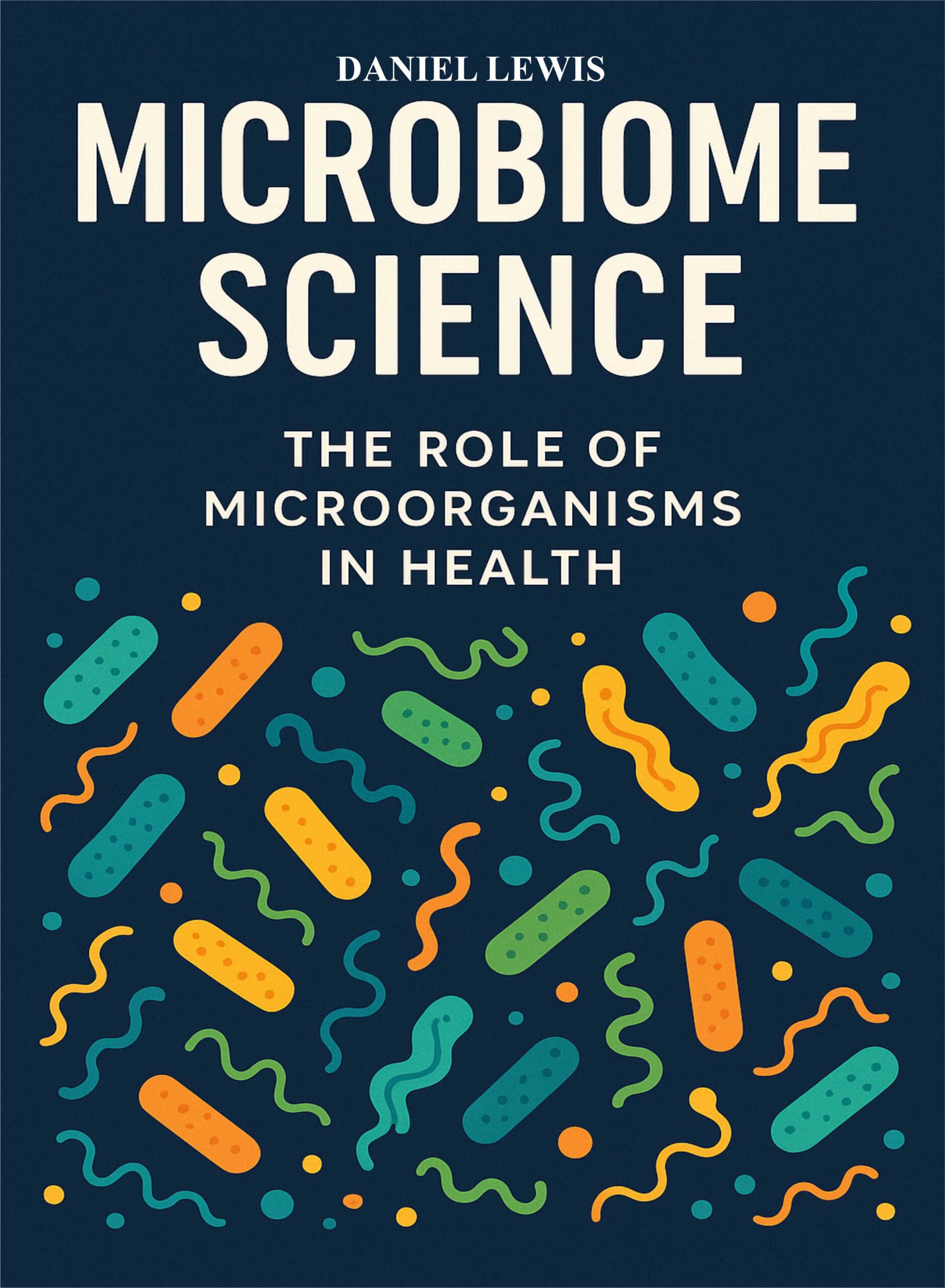
Microbiome Science: The Role of Microorganisms in Health offers a comprehensive and captivating exploration of one of the most significant paradigm shifts in modern biology and medicine. The book dismantles the long-held, simplistic view of microbes solely as agents of disease, inviting readers instead to understand the human body as a complex superorganism, a thriving ecosystem teeming with trillions of bacteria, viruses, fungi, and archaea that collectively form our microbiome. It chronicles the scientific journey from the early days of microbiology, constrained by the inability to culture most microbes, to the genomic revolution that unlocked our ability to sequence this hidden world, revealing a stunning diversity and genetic complexity that far surpasses our own human genome. The core of the work meticulously details the symbiotic relationships we share with these microbial partners, explaining their fundamental roles in educating and calibrating our immune system, digesting our food and synthesizing essential vitamins, and protecting us from pathogenic invaders. It further ventures into the fascinating communication networks known as axes, such as the gut-brain axis, illustrating how microbial inhabitants in our intestines can produce neurotransmitters and metabolites that influence our mood, cognition, and overall mental well-being, thereby connecting gut health to brain health in a profound and tangible way.
The narrative does not shy away from the consequences of disruption, thoroughly examining the state of dysbiosis where the delicate balance of the microbial community is lost. It links this imbalance to a wide array of contemporary health challenges, including autoimmune diseases, metabolic disorders like obesity and type 2 diabetes, allergic conditions, and even neurological challenges. The book also looks forward, dedicating significant attention to the translational applications of this knowledge, surveying the current and future landscape of microbiome-based therapeutics. This includes a critical analysis of probiotics and prebiotics, the remarkable success of fecal microbiota transplantation for specific infections, and the promising horizon of next-generation, precision treatments designed to manipulate the microbiome for targeted health benefits. Ultimately, the book serves as an essential guide, arguing that the path to understanding human health is inextricably linked to understanding and nurturing the vast, dynamic, and indispensable microbial universe within us.


Reviews
There are no reviews yet.