
The Textbook of Radiology: Understanding Diagnostic Imaging is a comprehensive resource that offers an in-depth exploration of the fundamental concepts and practical applications of diagnostic radiology. It begins with an introduction to diagnostic radiology, establishing the essential role that medical imaging plays in modern healthcare by facilitating accurate diagnosis and guiding patient management. The book then delves into the basic principles of medical imaging, explaining the physics and technology behind various imaging modalities, which is crucial for appreciating how images are generated and interpreted. A detailed discussion of conventional radiography (X-ray) follows, covering the fundamentals of image acquisition, common clinical uses, and the strengths and limitations of this widely used technique. The book then explores ultrasound imaging, highlighting its real-time, non-invasive capabilities and its significant role in evaluating soft tissues, vascular structures, and guiding interventional procedures. Computed tomography (CT) is presented as a powerful cross-sectional imaging modality, with explanations of its technical aspects, clinical indications, and critical utility in emergency settings. Specialized sections address various subspecialties within radiology, such as neuroradiology, chest and cardiovascular imaging, abdominal and pelvic imaging, musculoskeletal imaging, pediatric radiology, and obstetric and gynecological imaging. Each section discusses specific imaging protocols, common pathologies, and diagnostic challenges relevant to those fields. The book also pays special attention to radiology in emergency and trauma settings, where rapid and accurate imaging assessment is vital. Beyond image acquisition, the textbook emphasizes the importance of image interpretation and reporting, guiding readers on how to communicate findings clearly and effectively. Recent advances in radiology, including technological innovations and emerging techniques, are also reviewed, showcasing the evolving nature of the discipline. Finally, the book highlights the critical aspects of quality control and radiation safety, stressing the importance of minimizing risk to patients and healthcare workers while maintaining high diagnostic standards. Overall, this textbook serves as a valuable and thorough guide for students, clinicians, and radiology professionals seeking to deepen their understanding of diagnostic imaging.
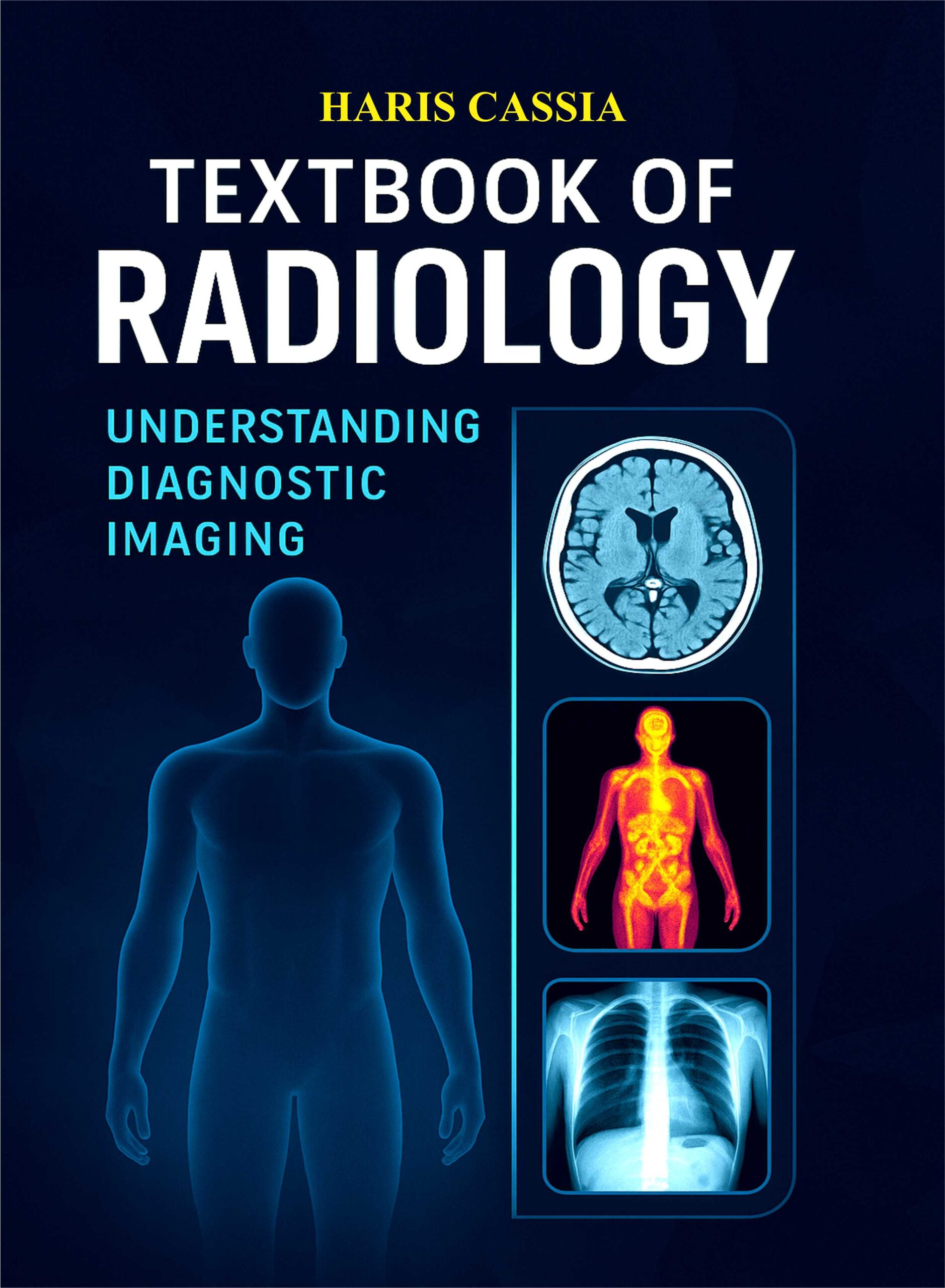
Textbook of Radiology : Understanding Diagnostic Imaging
$244.99
Author Haris Cassia
Binding Hardback
ISBN 9798897071524
Language English
Pages 330
Subject Category Radiology
Year of Publication 2025



Reviews
There are no reviews yet.