
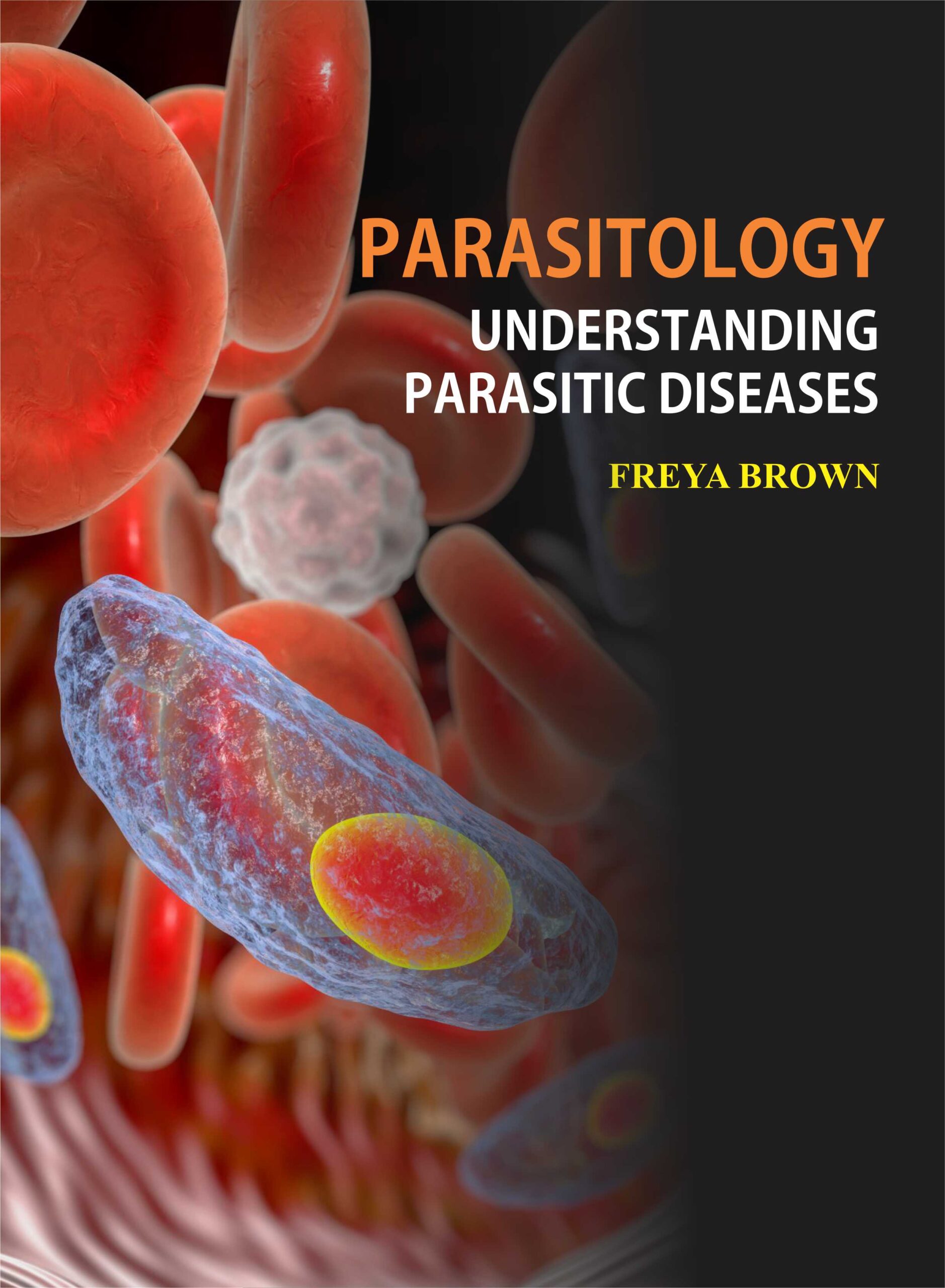
The book Parasitology: Understanding Parasitic Diseases serves as a comprehensive exploration of the fascinating and complex world of parasites, their biology, interactions with hosts, and the diseases they cause. It provides a structured and detailed account of parasitology, combining fundamental scientific knowledge with clinical and public health perspectives. The text begins with an introduction to parasitology, offering readers an understanding of the discipline’s historical development, scope, and significance in modern biomedical sciences. It emphasizes the role of parasitology in understanding infectious diseases, global health challenges, and the intricate relationships between parasites, hosts, and the environment. Through this foundation, readers gain insight into how parasitic diseases continue to shape human and animal health worldwide.
The section on the morphology and biology of parasites delves into the structural and functional characteristics of parasitic organisms. It explains how parasites are classified based on their cellular organization, life cycles, and modes of reproduction. The morphological diversity among protozoa, helminths, and arthropods is explored in depth, with a focus on how these features contribute to parasitic survival and pathogenicity. The biological adaptations that enable parasites to thrive within their hosts—such as mechanisms of nutrient absorption, immune evasion, and reproduction—are also discussed, highlighting the evolutionary strategies that make parasitism such a successful mode of life.
A critical portion of the book is dedicated to the host–parasite interaction and pathogenesis, where the intricate and dynamic relationship between parasites and their hosts is examined. This section explains how parasites invade, colonize, and manipulate host tissues and immune systems to ensure their survival. It further describes how host defenses, both innate and adaptive, respond to parasitic infections and how the resulting immune responses can sometimes contribute to disease pathology. Case studies and experimental insights illustrate the balance between parasitic virulence and host resistance, providing a molecular and immunological perspective on disease development.


Reviews
There are no reviews yet.