
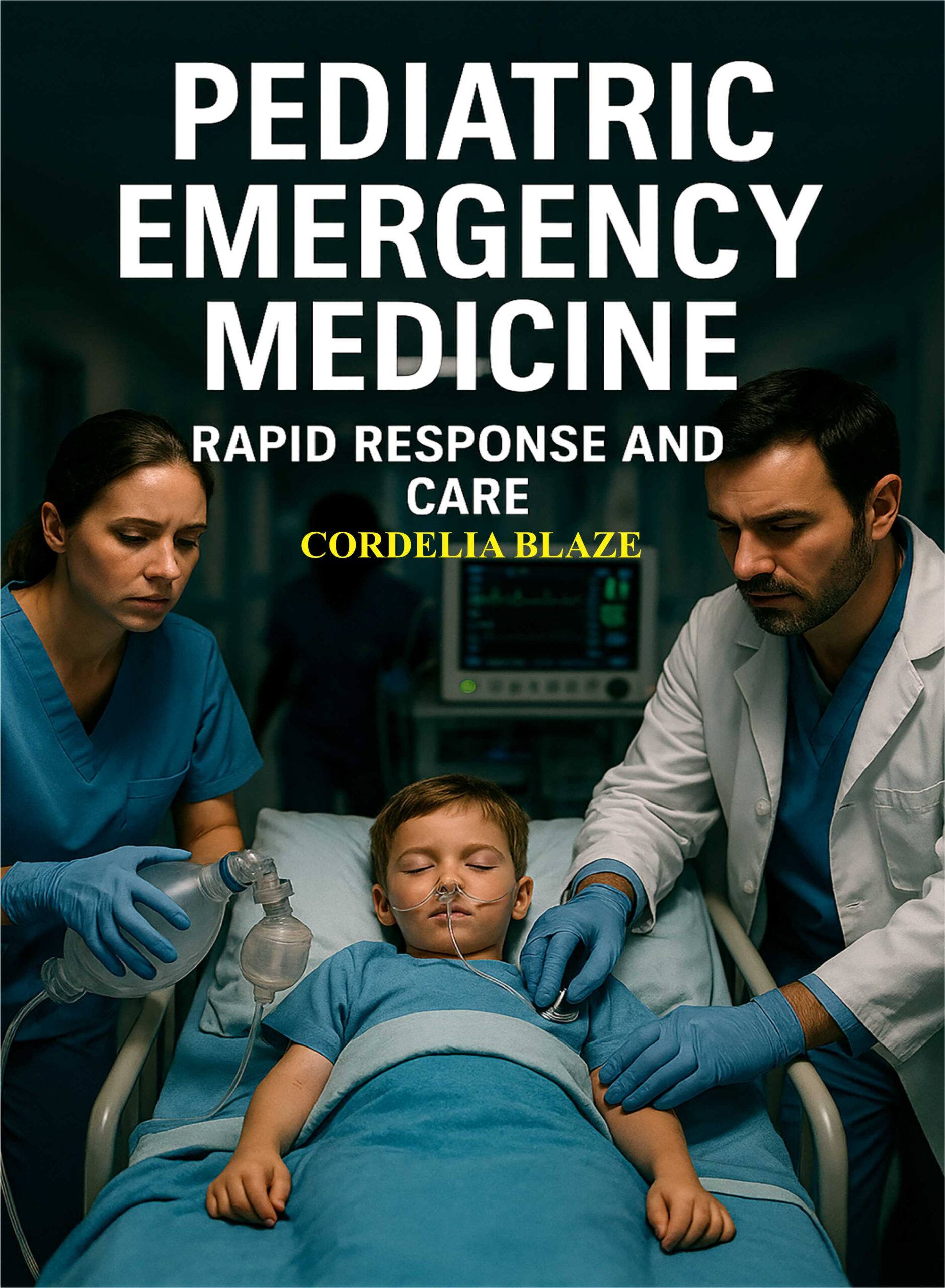
This book on Pediatric Emergency Medicine: Rapid Response and Care has been designed to highlight the unique challenges and essential principles that define the management of critically ill and injured children. Pediatric emergency medicine is a field that requires specialized knowledge, skill, and preparedness to respond effectively to urgent conditions where every second is vital. Unlike adults, children present with distinct physiological responses, age-specific vulnerabilities, and developmental considerations that demand careful adaptation of medical strategies. This book seeks to bring together the science, art, and practice of emergency medicine in pediatrics with the purpose of equipping healthcare providers with the knowledge and confidence to deliver timely, safe, and compassionate care.
The volume emphasizes that pediatric emergencies encompass a broad spectrum, ranging from respiratory distress, shock, trauma, seizures, and infectious diseases to poisoning, congenital abnormalities, and rare but life-threatening conditions. Each chapter is structured to provide clarity in recognizing early warning signs, initiating rapid interventions, and ensuring stabilization before definitive care is arranged. The content also underscores the unpredictable course of illness in children, who may appear stable one moment and deteriorate rapidly the next. Through detailed explanations of assessment techniques, resuscitation protocols, and age-appropriate therapeutic measures, the book addresses the urgent need for swift and effective responses in pediatric emergencies.
One of the defining features of pediatric emergency care is the integration of rapid response systems within healthcare institutions. This book discusses the importance of early recognition of clinical deterioration and the timely activation of specialized teams to prevent adverse outcomes such as respiratory or cardiac arrest. It explores how rapid response strategies, simulation training, and coordinated teamwork can transform outcomes by bridging the critical gap between the onset of distress and definitive intervention. By focusing on these systems, the book reflects modern approaches that prioritize prevention of collapse rather than only reacting to catastrophic events.




Reviews
There are no reviews yet.