
This comprehensive textbook provides an in-depth exploration of medical microbiology, covering the fundamental principles and clinical aspects of microbial pathogens that impact human health. Beginning with an introduction to medical microbiology, the book establishes the essential concepts of microbial structure, function, and classification, setting the foundation for understanding how bacteria, viruses, fungi, and parasites interact with their human hosts. The principles of microbial pathogenesis are examined in detail, highlighting the mechanisms by which microorganisms cause disease, including virulence factors, toxin production, and immune evasion strategies. A thorough discussion of host defense mechanisms follows, emphasizing the innate and adaptive immune responses that protect against infection while also addressing situations where these defences may be compromised. The book then transitions into the practical aspects of medical microbiology, detailing essential laboratory techniques used in the diagnosis of infectious diseases. These include traditional culture methods, biochemical assays, and modern molecular diagnostics such as PCR and next-generation sequencing. The section on bacterial pathogens is extensive, covering Gram-positive and Gram-negative bacteria, with a focus on their clinical significance, epidemiology, and treatment. Special attention is given to challenging organisms such as mycobacteria, acid-fast bacteria, spirochetes, and atypical bacteria, which require unique diagnostic and therapeutic approaches. This book integrates basic science with clinical applications, providing a thorough and up-to-date resource on medical microbiology. With clear explanations, clinical correlations, and illustrative case studies, it serves as an essential guide for understanding microbial diseases and their management in both individual patients and public health contexts.
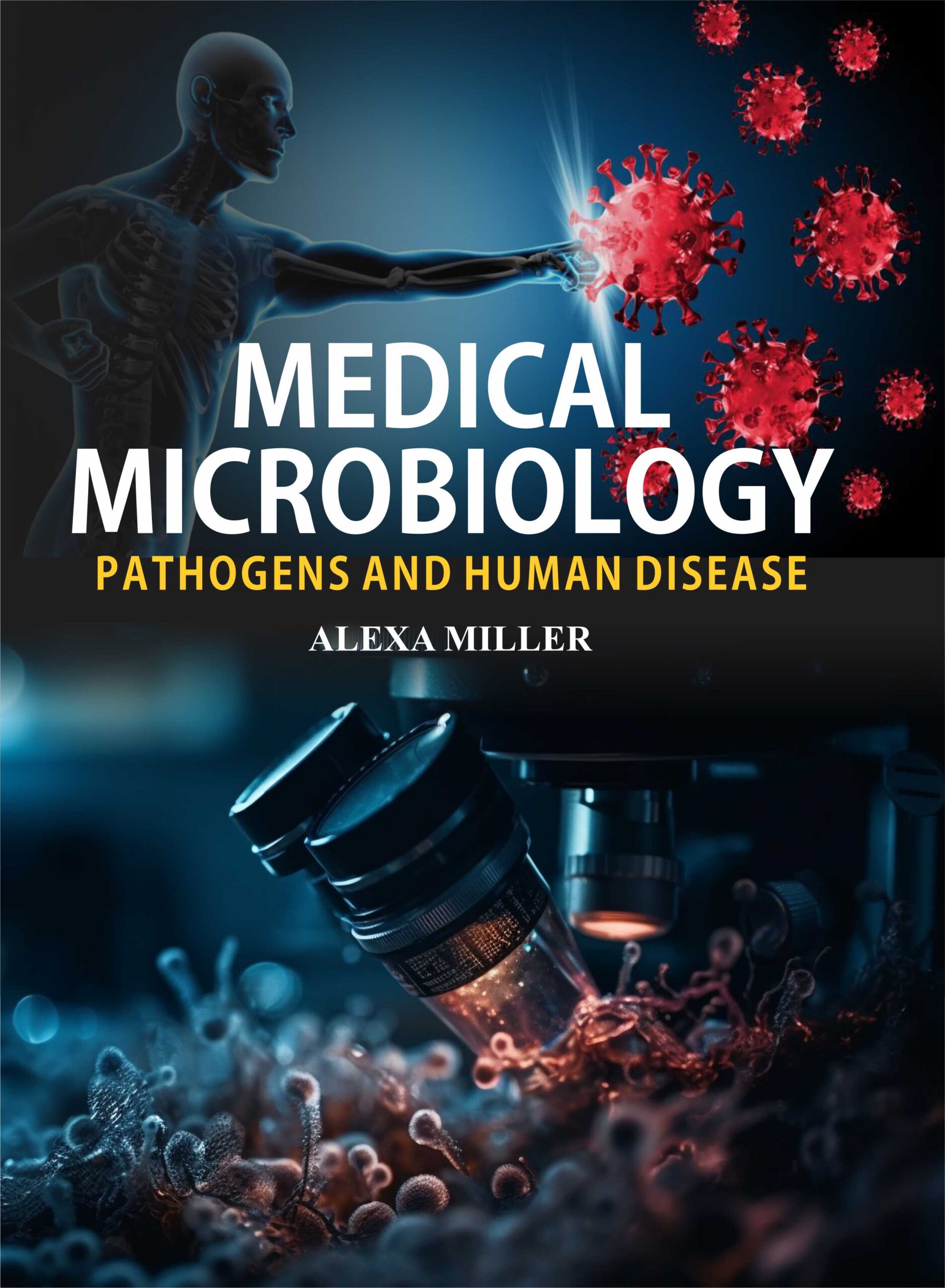
Medical Microbiology : Pathogens and Human Disease
$239.99
Author Alexa Miller
Binding Hardback
ISBN 9798897070916
Language English
Pages 300
Subject Category Microbiology
Year of Publication 2025


Reviews
There are no reviews yet.