
The book Clinical Medicine: Diagnosis and Treatment Protocols serves as a guide for medical practitioners, students, and healthcare professionals seeking an in-depth understanding of contemporary clinical practice. Its primary focus is to bridge the gap between theoretical knowledge and practical application, offering a structured approach to diagnosing and managing a wide array of medical conditions. The text meticulously outlines the principles underlying patient assessment, beginning with the importance of a detailed medical history, careful physical examination, and the judicious use of diagnostic investigations. By emphasizing systematic clinical reasoning, the book equips readers with the ability to identify key symptoms, interpret laboratory and imaging results, and prioritize differential diagnoses in a logical and evidence-based manner. A distinctive feature of the book lies in its integration of disease-specific treatment protocols with general patient management strategies. Each chapter addresses common and uncommon conditions across multiple specialties, providing step-by-step guidance on therapeutic interventions, pharmacological management, and procedural techniques. It highlights current best practices and standards of care while addressing the variability in patient presentations, comorbidities, and treatment responses. The text also underscores the significance of individualized patient care, considering factors such as age, lifestyle, and pre-existing medical conditions, thereby promoting a patient-centered approach that is critical in modern clinical medicine. In addition to clinical protocols, the book explores the rationale behind various diagnostic and treatment strategies. It explains the scientific principles, pathophysiology, and evidence that guide clinical decision-making, enabling readers not only to apply protocols but also to understand their underlying logic. This dual focus strengthens the practitioner’s ability to adapt protocols to complex or atypical cases and encourages critical thinking when standard approaches may not suffice. Furthermore, the book incorporates insights on recent advances in medical technology, diagnostic imaging, and minimally invasive procedures, reflecting the dynamic nature of contemporary medicine and the continuous evolution of treatment standards.
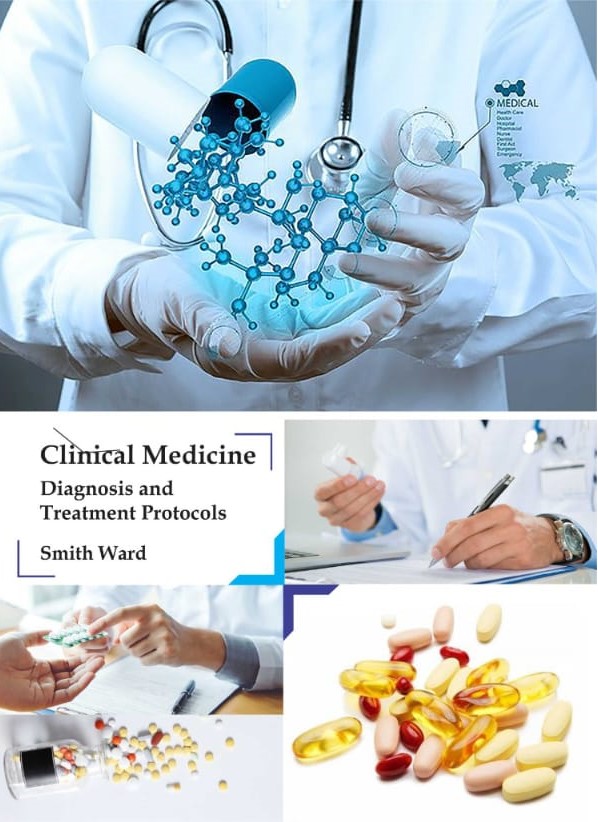
Clinical Medicine: Diagnosis and Treatment Protocols
$244.99
Author Smith Ward
Binding Hardback
ISBN 9798897070114
Language English
Pages 300
Subject Category Internal Medicine
Year of Publication 2025



Reviews
There are no reviews yet.